
Manual scans slow the line
Manual barcode scans are easy to miss when takt time is tight.
Scenario detail
RFID hardware package for workstation ID, fixture management, WIP tracking, line entry/exit and embedded equipment identification.
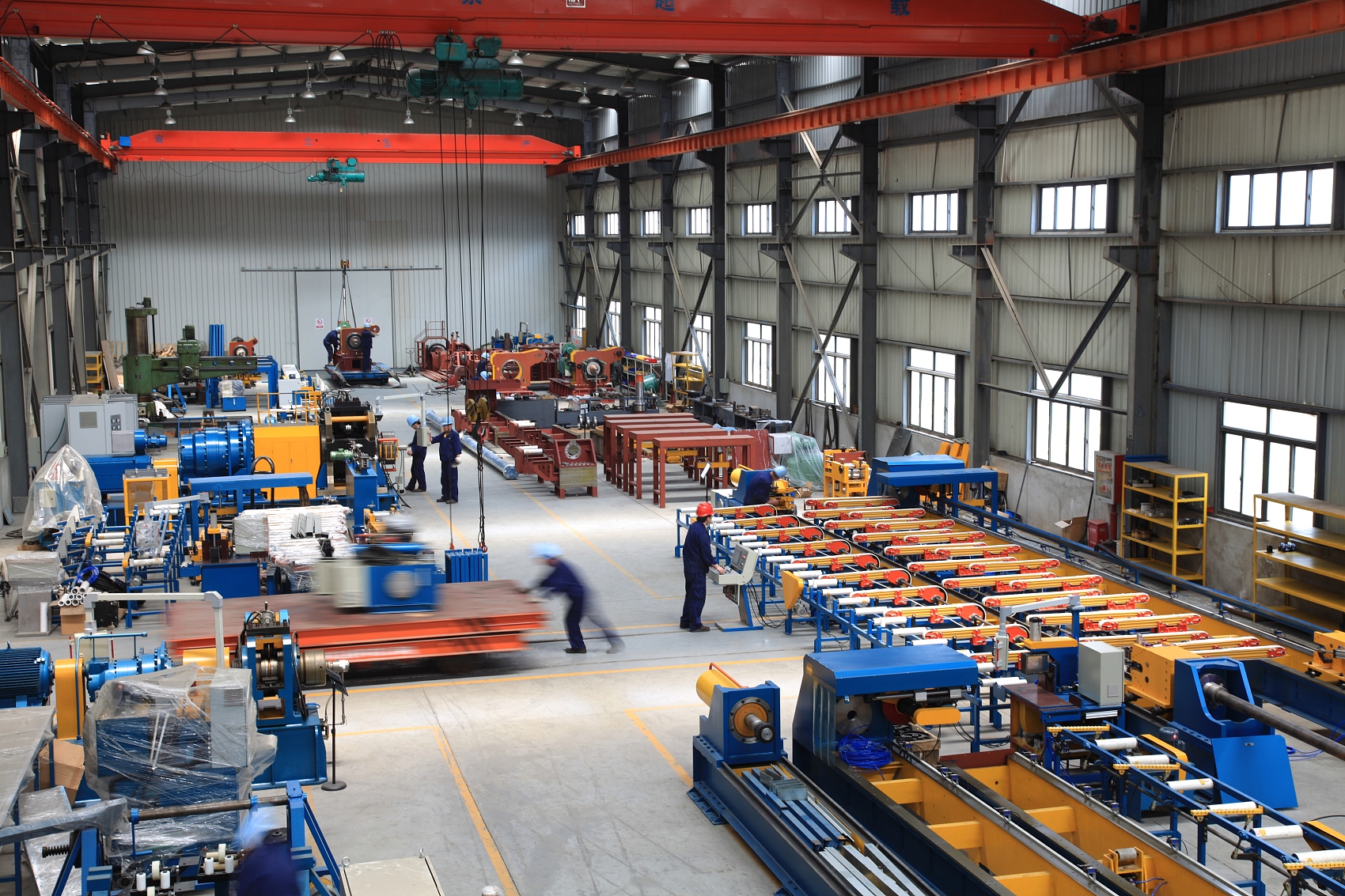
Scenario overview
Manufacturing RFID projects must plan stations, fixtures, line entry, buffers, rework areas and interface rules together before rollout.
Manual barcode scans are easy to miss when takt time is tight.
Oil, wear, dust and heat reduce barcode reliability.
Jigs, fixtures and carriers often lose accountability during movement.
Buffers and rework zones can create data gaps around exception items.
Confirm item or fixture identity before the station begins work.
Connect readers with PLC, triggers and automation equipment.
Send station events back to MES, ERP or local systems.
Check WIP, fixture and process state automatically.
Typical application scenarios
Build traceable nodes from line entry through rework.
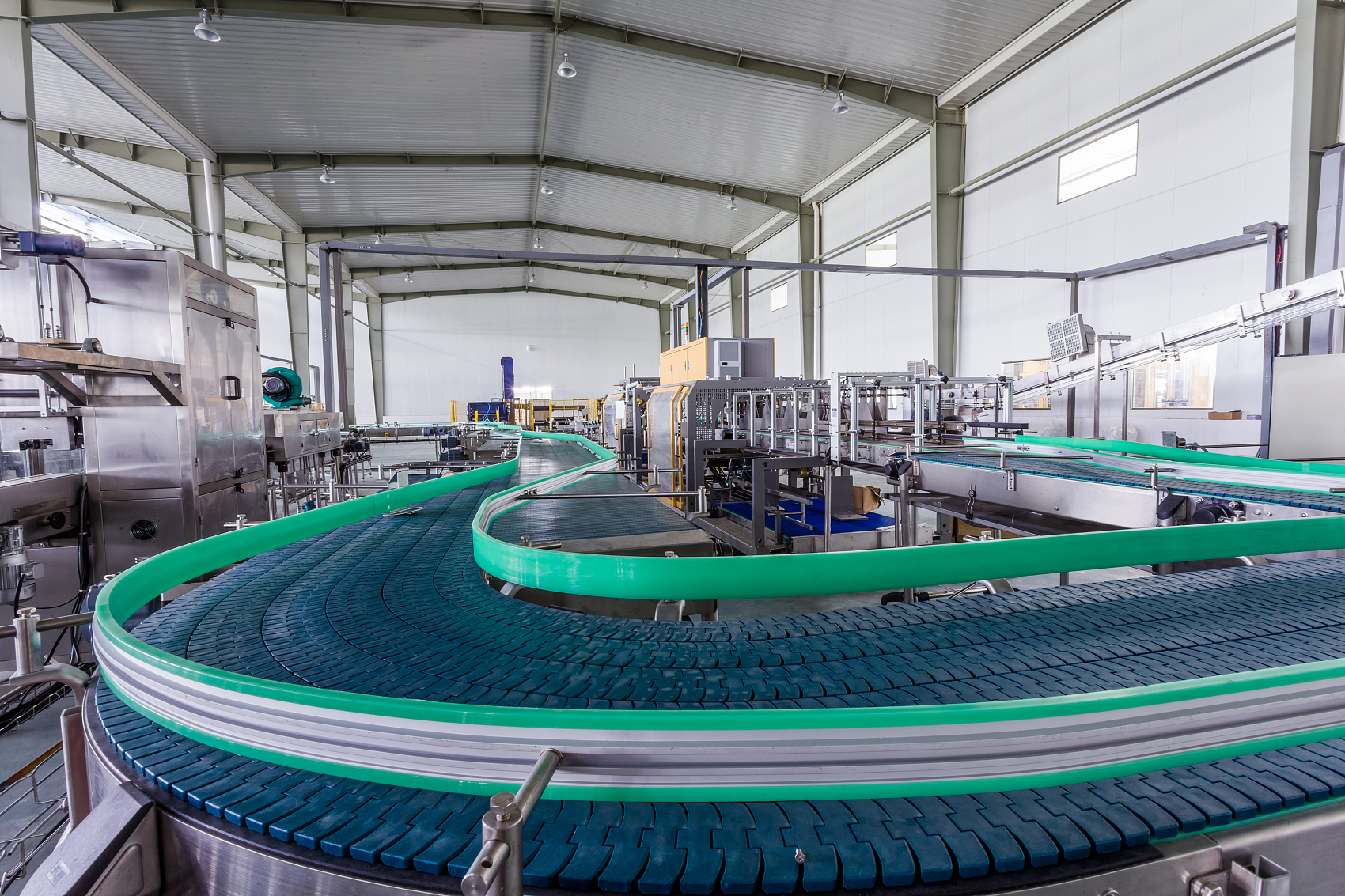
Confirm workpiece or carrier identity before entering the line.
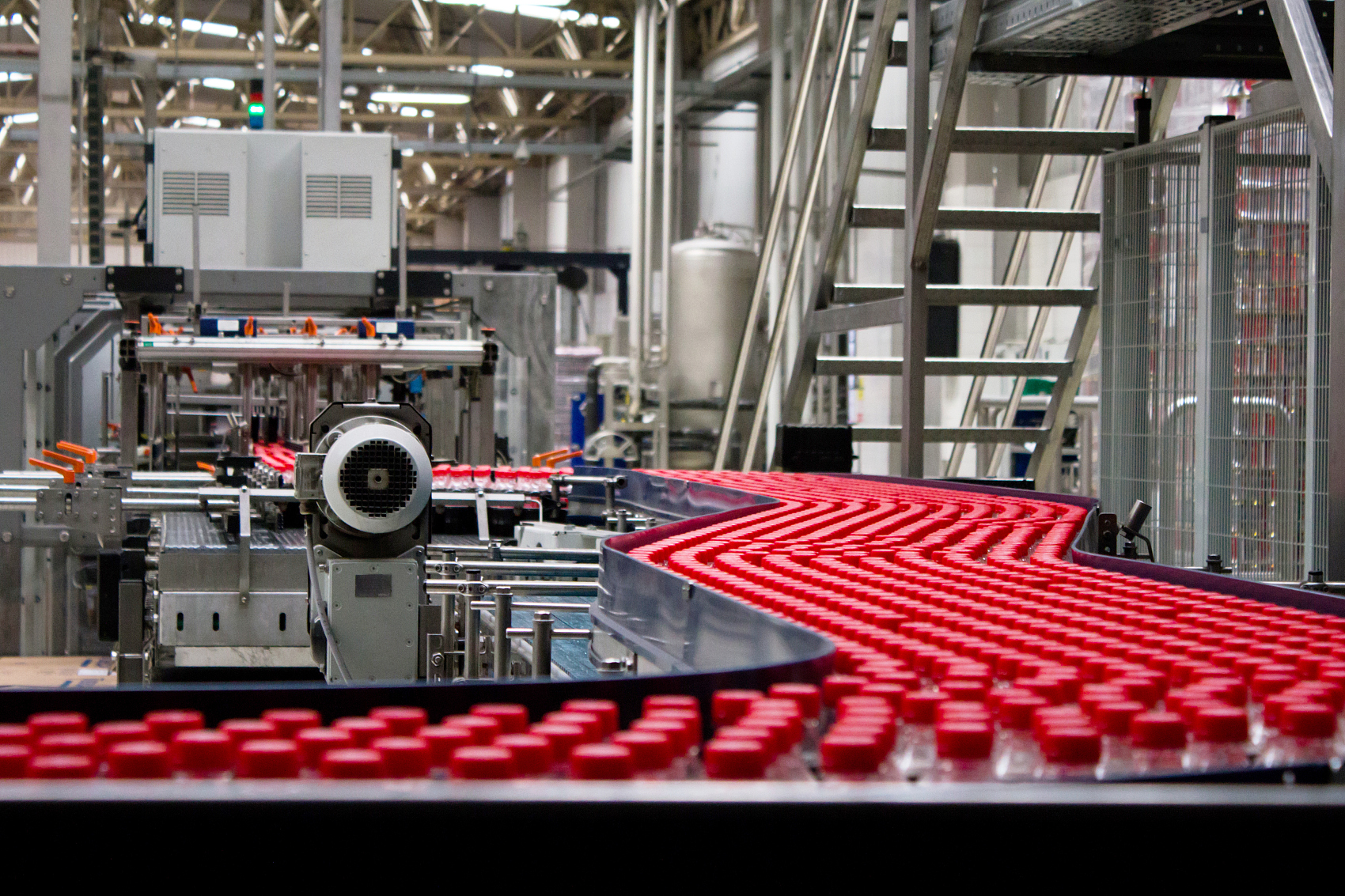
Identify the current item or carrier at key process stations.
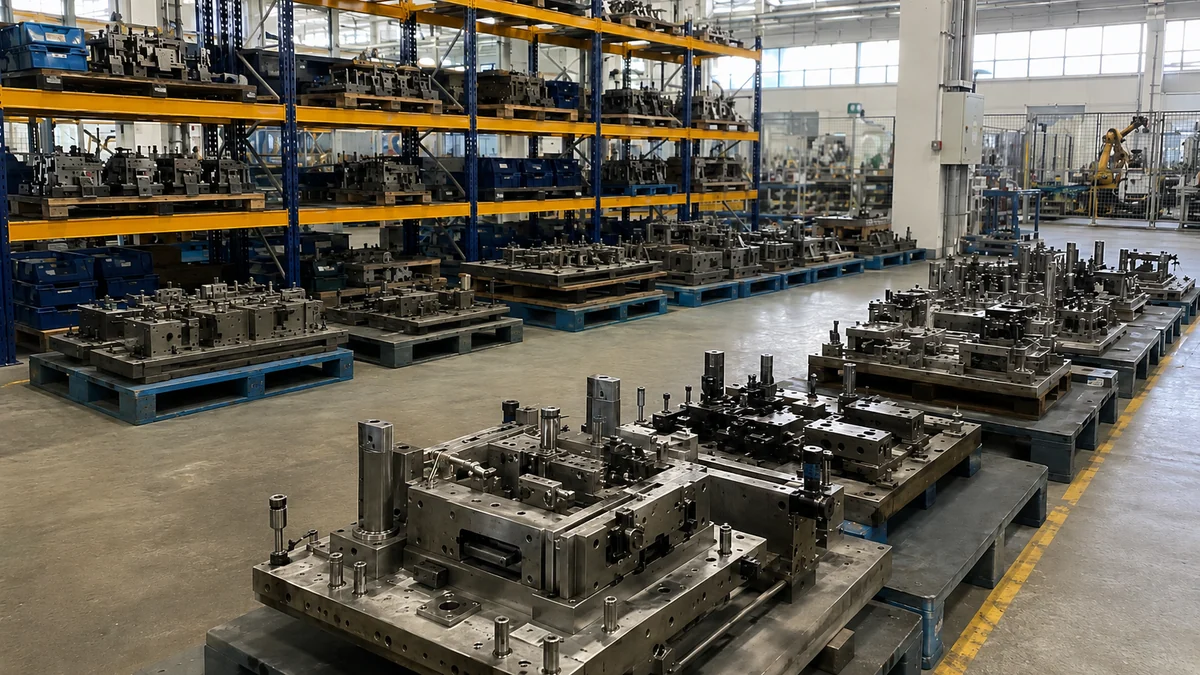
Track fixture use, circulation and maintenance status.
Integrate RFID modules inside automation equipment or smart tooling.
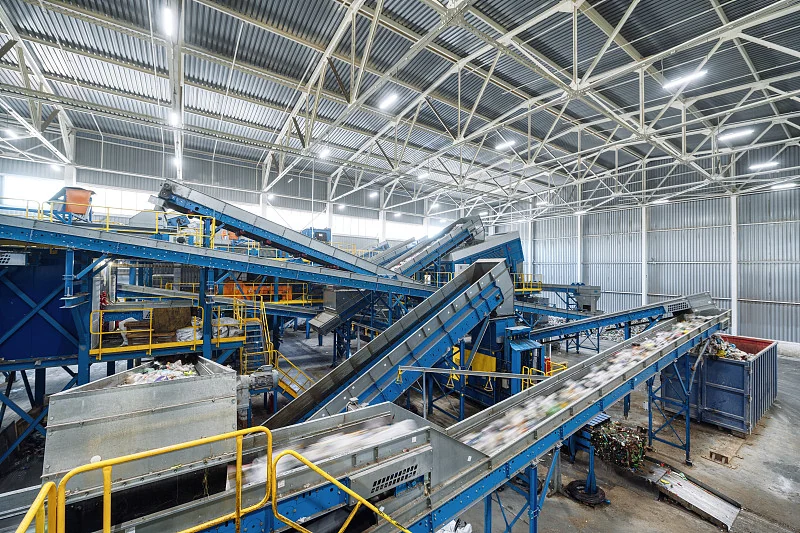
Keep exception items visible in buffers and rework areas.
Recommended product packages
Configure by workstation ID, fixture management and embedded RFID module scenarios.
Workstation RFID package
For assembly, inspection, tightening, welding and packaging stations.
Tooling and fixture RFID package
For fixture stores, circulation points, equipment entries and maintenance nodes.
Embedded RFID module package
For automation equipment, test equipment and smart fixtures.
Line validation kit
For takt, read-zone and interface joint testing.
Typical deployment nodes
Most manufacturing projects pass through these checkpoints.
Initial item or carrier identification.
Capture status at assembly, inspection or test stations.
Use embedded modules for automatic device-level ID.
Record wait, transfer or inspection states.
Trace exception and rework items.
Manage jig and fixture issue, return and life count.
Interfaces and system integration
Manufacturing projects often connect PLC, MES, SCADA and equipment controllers.
Fixed RFID reader, Embedded RFID module, RFID antenna, RFID tags
RS232 / RS485 / TCP/IP / GPIO / CAN
MES / SCADA / PLC / WMS / ERP / HMI / custom platform
Applicable scenarios and evaluation boundaries
RFID is strongest in station ID and carrier tracking, but production environments must be tested.
Station item ID, pallet/carrier tracking, fixture management, buffers and embedded equipment ID.
Takt time, station count, tag material, mounting position and system interface.
Metal, oil, heat, narrow spaces, dense multi-tag reads and cross-read risk.
OEM & ODM support
Customize interfaces, protocols, mounting and embedded module integration for the equipment builder.
Logo, nameplate, packaging and document customization.
Interface adaptation, protocol adjustment and station parameter presets.
Embedded module development, equipment structure integration and industrial protocol adaptation.
Project implementation process
Move from requirements to validation and then to scaled rollout.
Confirm objects, stations, takt and interfaces.
Evaluate tag material, placement and site constraints.
Validate read performance at the real station.
Choose reader, module and antenna combinations.
Test MES, PLC or HMI integration.
Run a small deployment at selected nodes.
Scale after the pilot is stable.
Refine rules, workflow and exception handling.
Testing and validation support
Validate tags, installation, station behavior, takt and interface response before rollout.
Check metal, heat and workpiece-surface fit.
Tune read-zone boundary, angle and cross-read control.
Verify event output, takt and interface response.
FAQ
Common manufacturing questions before project validation.
No. UHF fits batch, non-contact and automation-linked reads, but the exact choice depends on distance and process.
Yes, usually with on-metal tags and field validation.
Yes. Common paths include TCP/IP, RS232, RS485, GPIO and industrial protocols.
Yes. Takt time, metal environment and tag placement can change the result.
Start manufacturing review
We will recommend the reader, antenna, tag and integration package before sample or quotation.