
Mixed vehicle types
Fixed vehicles, temporary visitors and logistics vehicles often use different rules at the same gate.
Scenario detail
Long-range vehicle auto-identification for parking entrances, campus gates, logistics lanes and fleet yards.
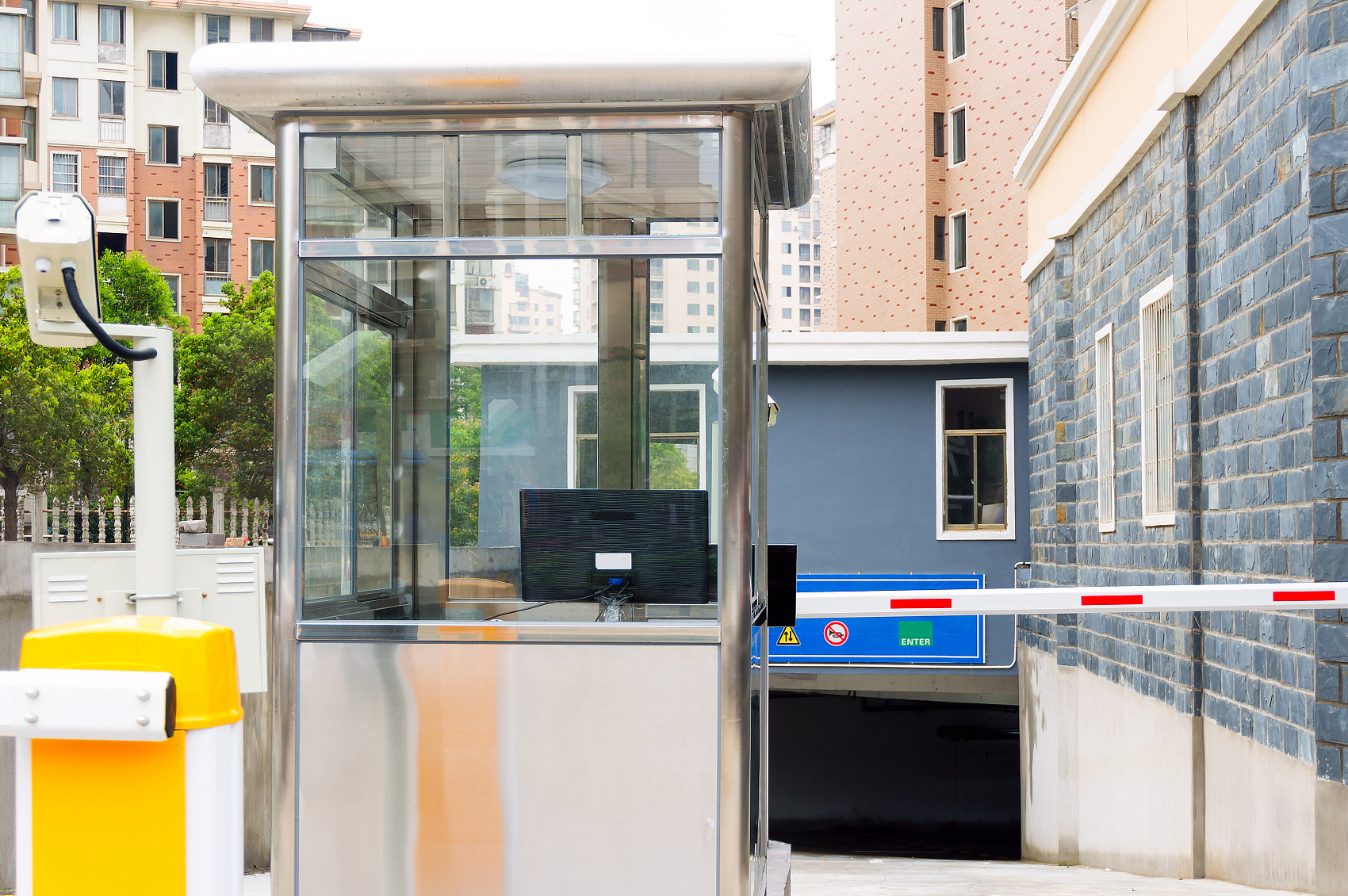
Scenario overview
A vehicle RFID project is not only a reader choice. Tags, read zones, barriers, cameras, loop detectors and platform events all need to be planned together before rollout.
Fixed vehicles, temporary visitors and logistics vehicles often use different rules at the same gate.
Manual checks and data entry create queues during peak access periods.
Multi-lane sites need tuned antennas and power settings to prevent adjacent-lane reads.
Barrier, camera, loop detector and platform events must be linked to form a usable record.
Authorized vehicles can be identified as they enter the read zone.
Whitelist, blacklist and platform rules reduce manual intervention.
Gate, lane and yard records stay available for review.
Use RFID for identity verification and camera data for visual retention.
Typical application scenarios
Use RFID differently across parking entrances, campus gates, logistics lanes and fleet yards.
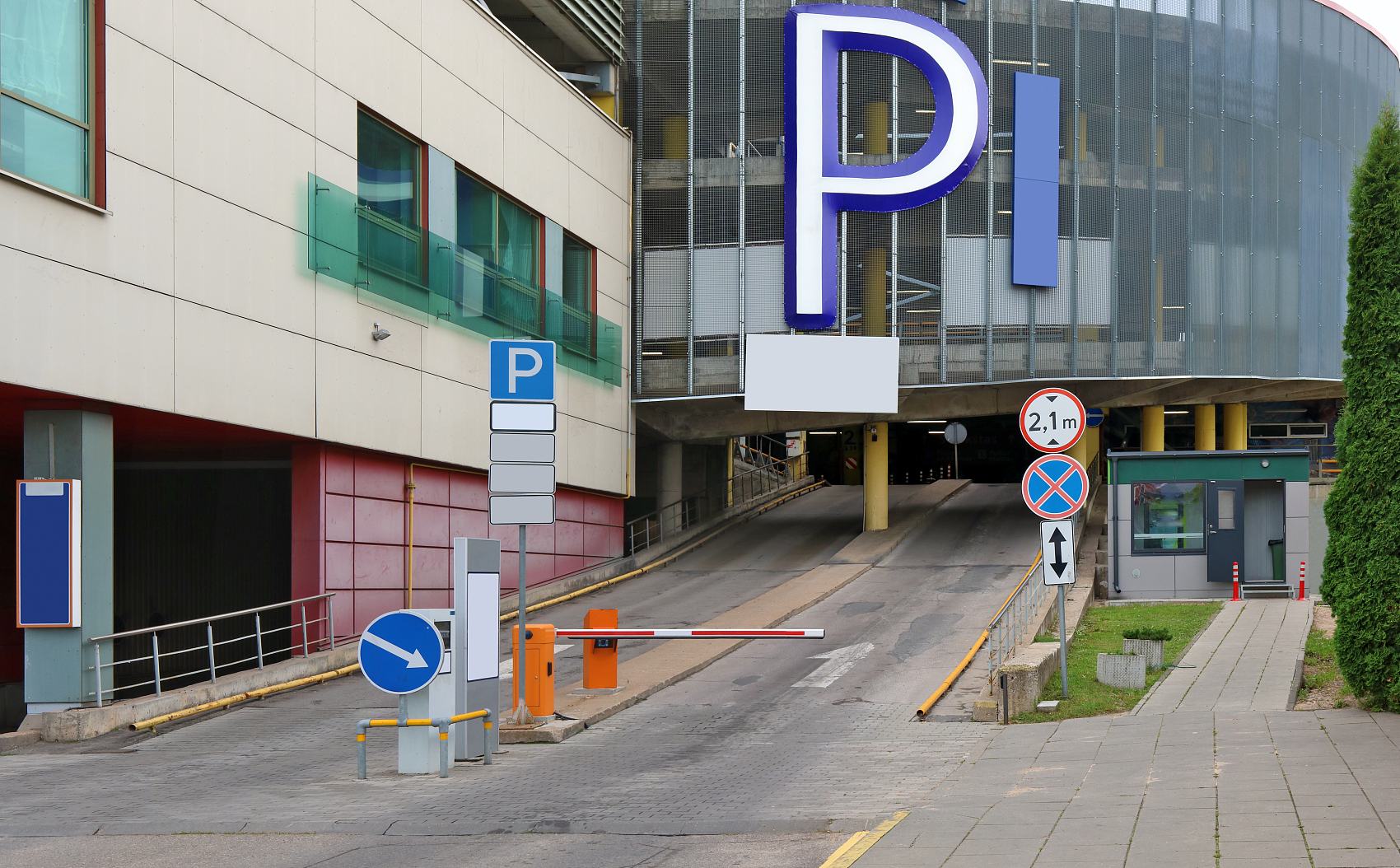
Automatically identify authorized vehicles at the entrance and reduce manual checks.
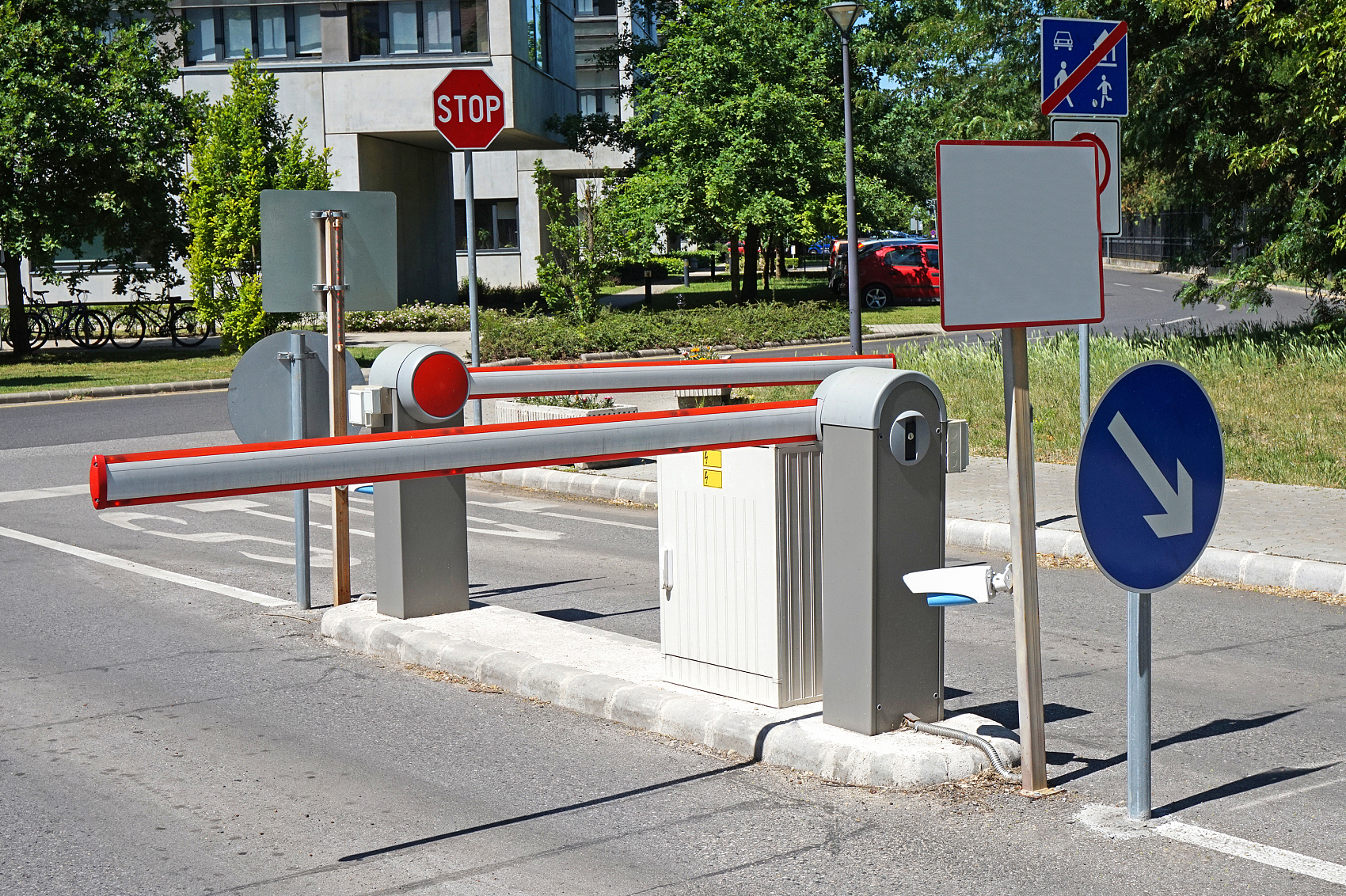
Connect permission checks, barrier control and platform records at campus gates.
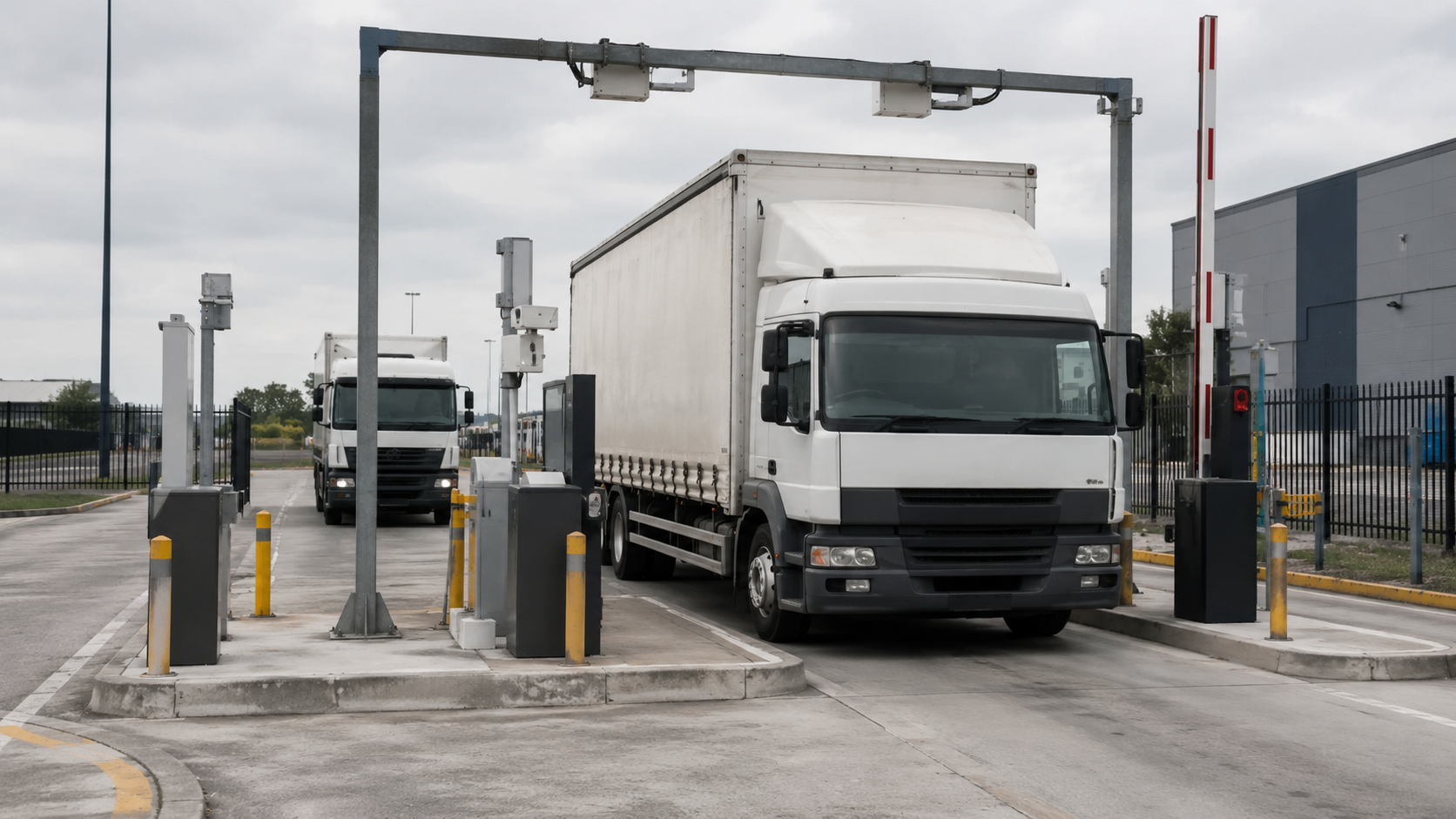
Track logistics vehicles and freight access events across yard lanes.
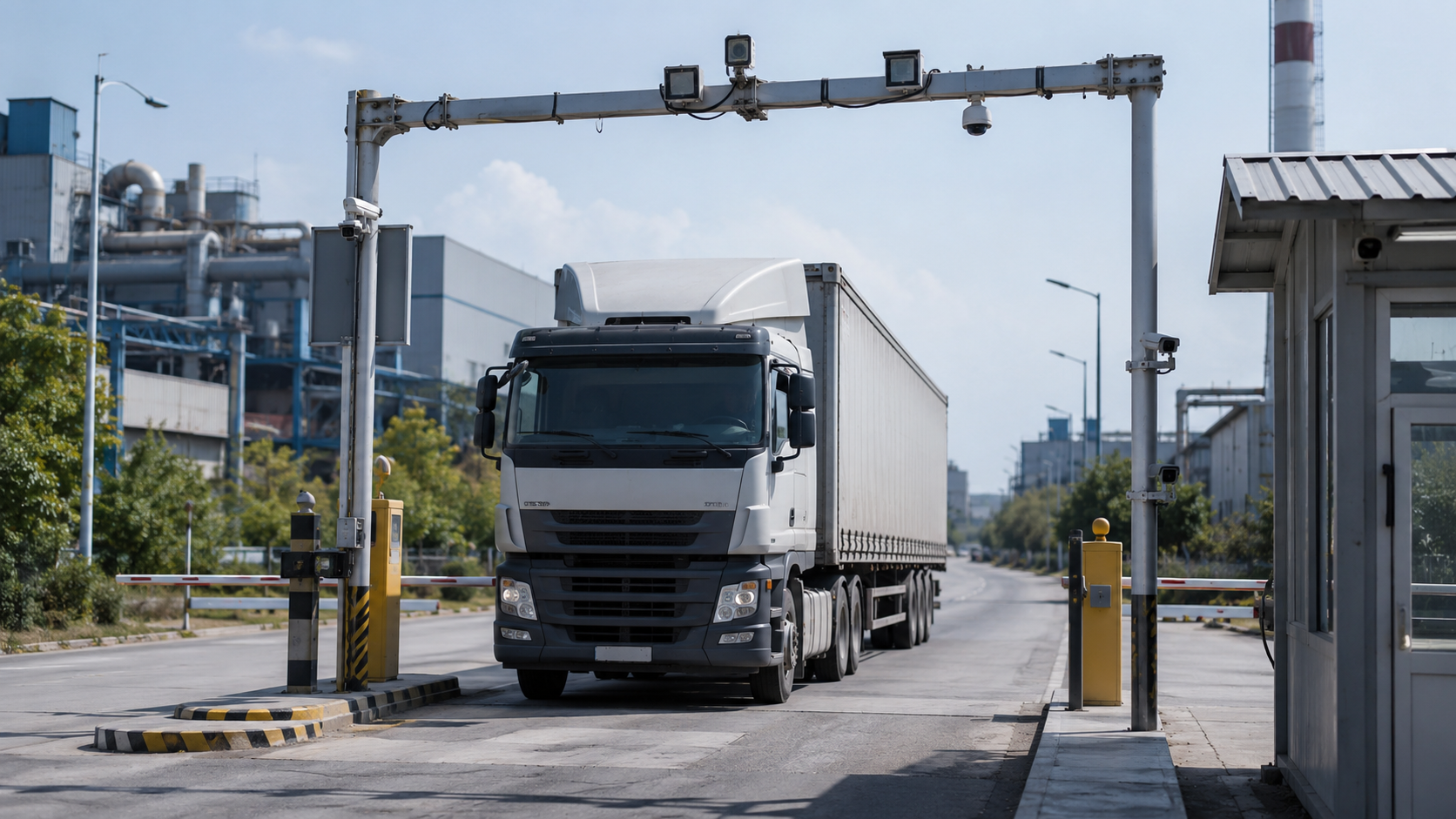
Verify freight vehicles before yard entry, weighing or loading operations.
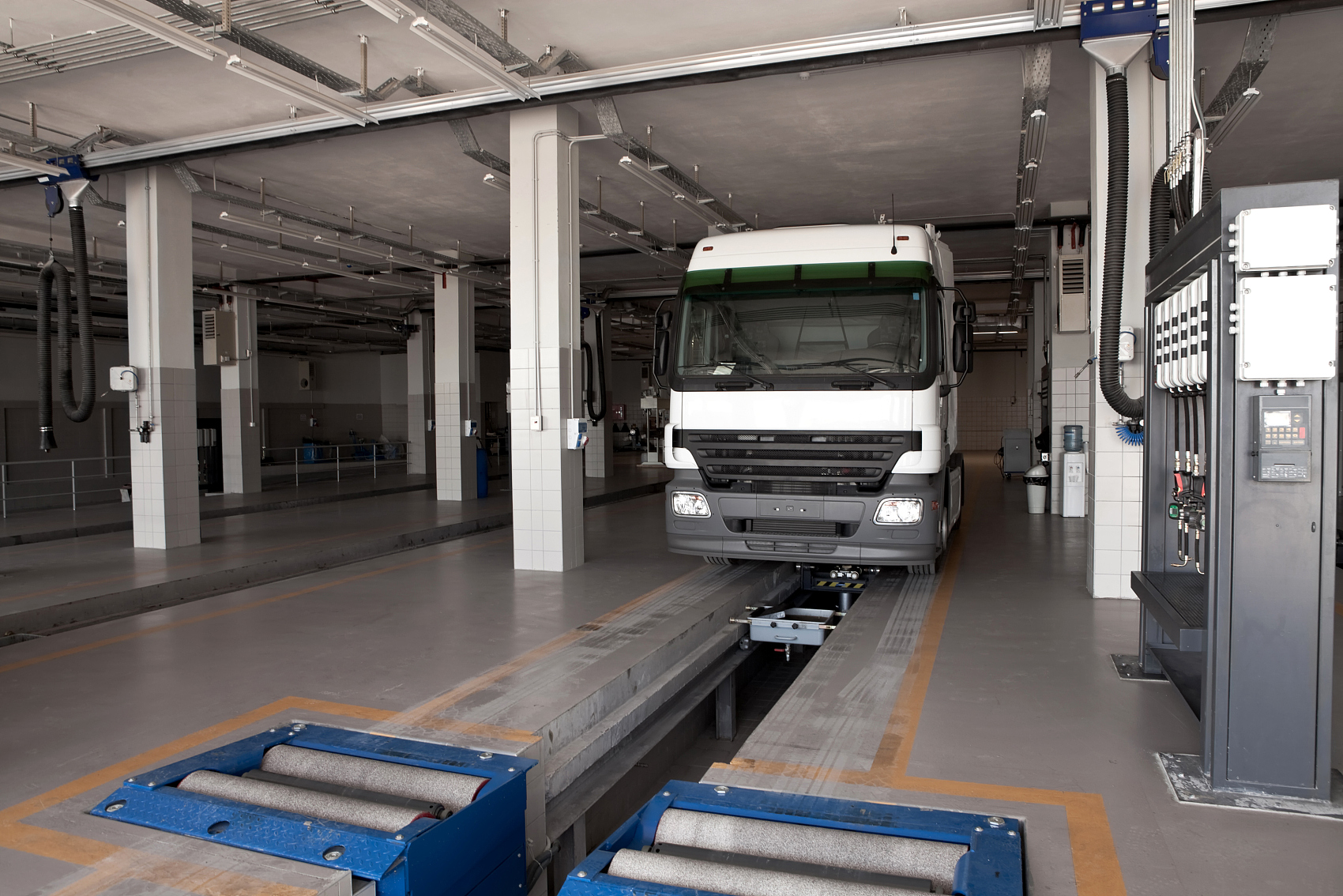
Link vehicle identity with weighing and loading workflows.
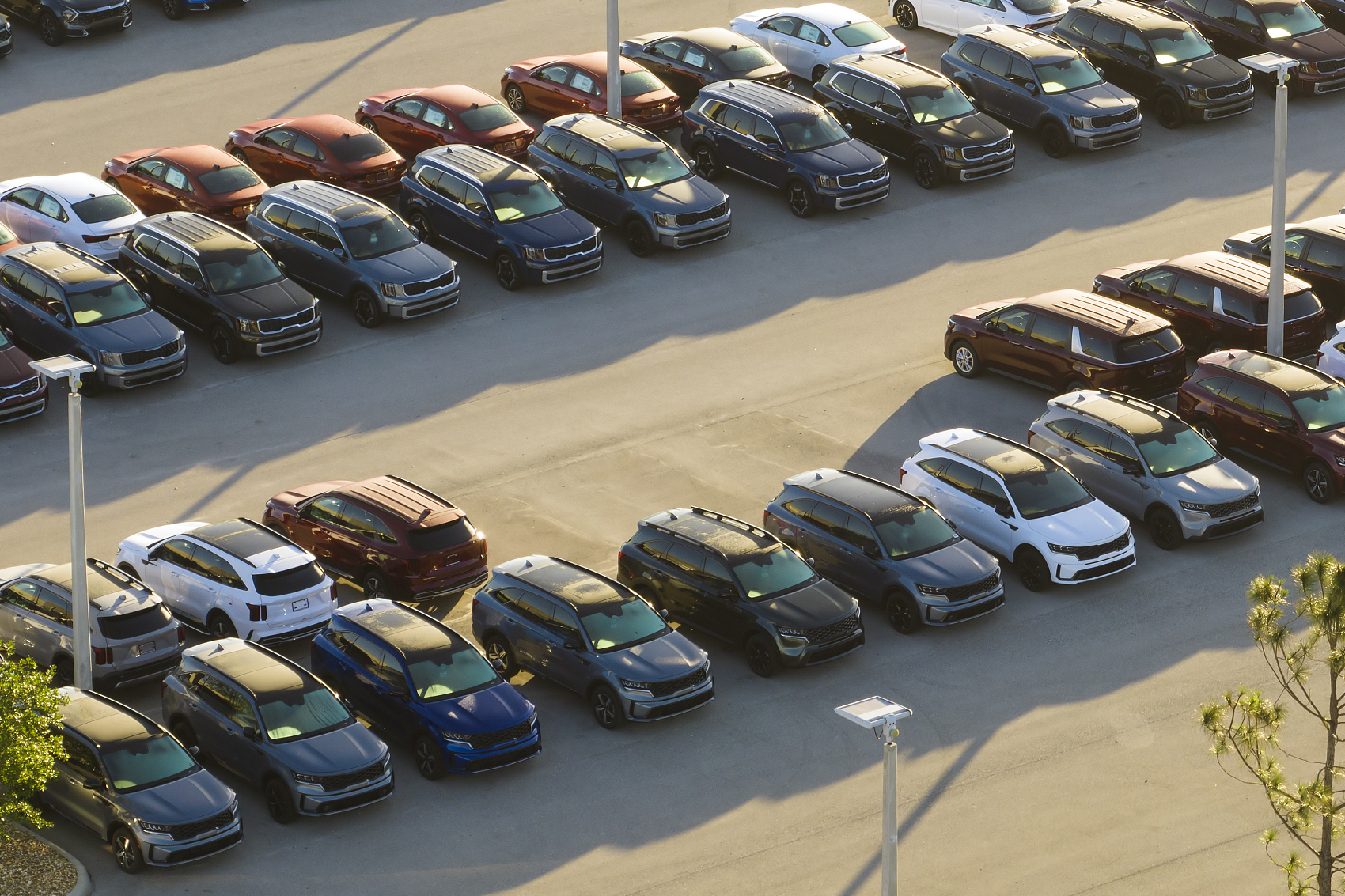
Record fleet vehicle entry and exit at base gates and parking areas.
Recommended product packages
Package the hardware by parking access, logistics lanes and high-security unattended gates.
Parking and campus access package
For parking entrances, campus gates and internal vehicle lanes.
Logistics park and fleet package
For freight gates, yards, loading zones and weighbridge lanes.
Unattended high-security package
For whitelist access, alarms, cameras and high-security lanes.
RFID + LPR validation kit
For testing tag reads, plate recognition, permission checks and barrier response.
Typical deployment nodes
A vehicle lane usually follows this access-control sequence.
Vehicle enters the planned recognition range.
The reader identifies the vehicle tag.
The controller triggers the barrier after permission approval.
Plate image and visual evidence are retained.
Passage event is written back to the platform.
Interfaces and system integration
Vehicle projects normally connect access control, parking, logistics and customer platforms.
UHF RFID reader, Directional RFID antenna, Vehicle RFID tag, Trigger and linkage devices
TCP/IP / RS232 / RS485 / Wiegand / GPIO / Relay
Parking / campus / logistics / weighing / custom platform
Applicable scenarios and evaluation boundaries
RFID fits authorized and repeated vehicle access best. Lane behavior still needs field validation.
Fixed vehicles, internal fleets, logistics vehicles, authorized vehicles and unattended lanes.
Lane width, read distance, mounting angle, interface type and release rules.
Multi-lane cross reads, outdoor protection, metallic windshield film and temporary vehicles.
OEM & ODM support
Customize readers, tags, barrier linkage and enclosure details around the channel partner or project.
Reader label, antenna label, vehicle tag and package customization.
Read-range presets, barrier-interface adaptation and whitelist logic changes.
Integrated vehicle ID device, waterproof enclosure and custom protocol development.
Project implementation process
Confirm lane behavior and linkage before sample and pilot deployment.
Confirm vehicle types, lane quantity and permission rules.
Match reader, antenna, tag and linkage modules.
Validate read distance, cross reads and barrier response.
Adjust antenna angle, power and linkage logic on site.
Connect parking, campus or logistics platforms.
Check release, records and exception handling.
Replicate the configuration to more lanes and sites.
Demo and testing method
Validate tag samples, nodes, sample units and pilot lanes before rollout.
Confirm tag material, windshield position and tamper behavior.
Check entrance, read zone, barrier and camera linkage.
Verify vehicle speed, read distance and cross-read suppression.
FAQ
Common questions before a vehicle RFID pilot.
Range depends on reader power, antenna gain, tag type and site conditions. Field testing is required.
Yes. RFID verifies identity while LPR provides image evidence and a secondary check.
Antenna angle, power and physical lane design can reduce cross reads, but validation is required.
Yes. SDK, HTTP API and TCP Socket integration paths are available by model and project.
Start lane review
We will recommend the reader, antenna, tag and linkage package before quotation or sample testing.