Device Manufacturers
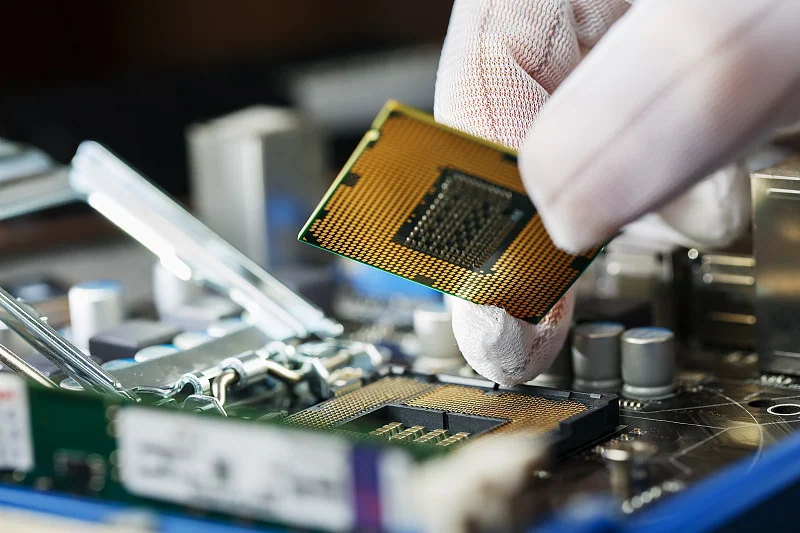
Need RFID modules, interface protocols, SDK, firmware, and structural cooperation.
OEM & ODM
For device manufacturers, system integrators, channel brands, and project customers, LITTT customizes interfaces, firmware, structure, software, and branding from mature readers, modules, cabinets, and validation kits.

Different customers do not need the same OEM/ODM path. First separate reader, equipment, and scenario-solution customization.
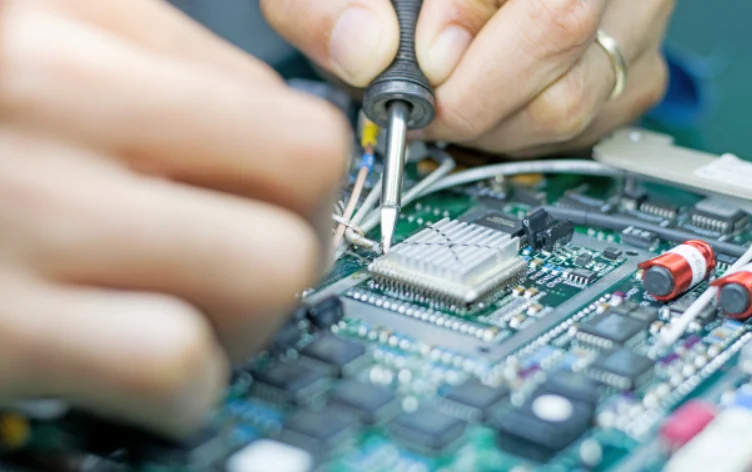
Interface, firmware, enclosure, module integration, SDK, protocol, and private label.
View path
Cabinet size, lock, read zone, UI, backend API, electrical design, and pilot delivery.
View path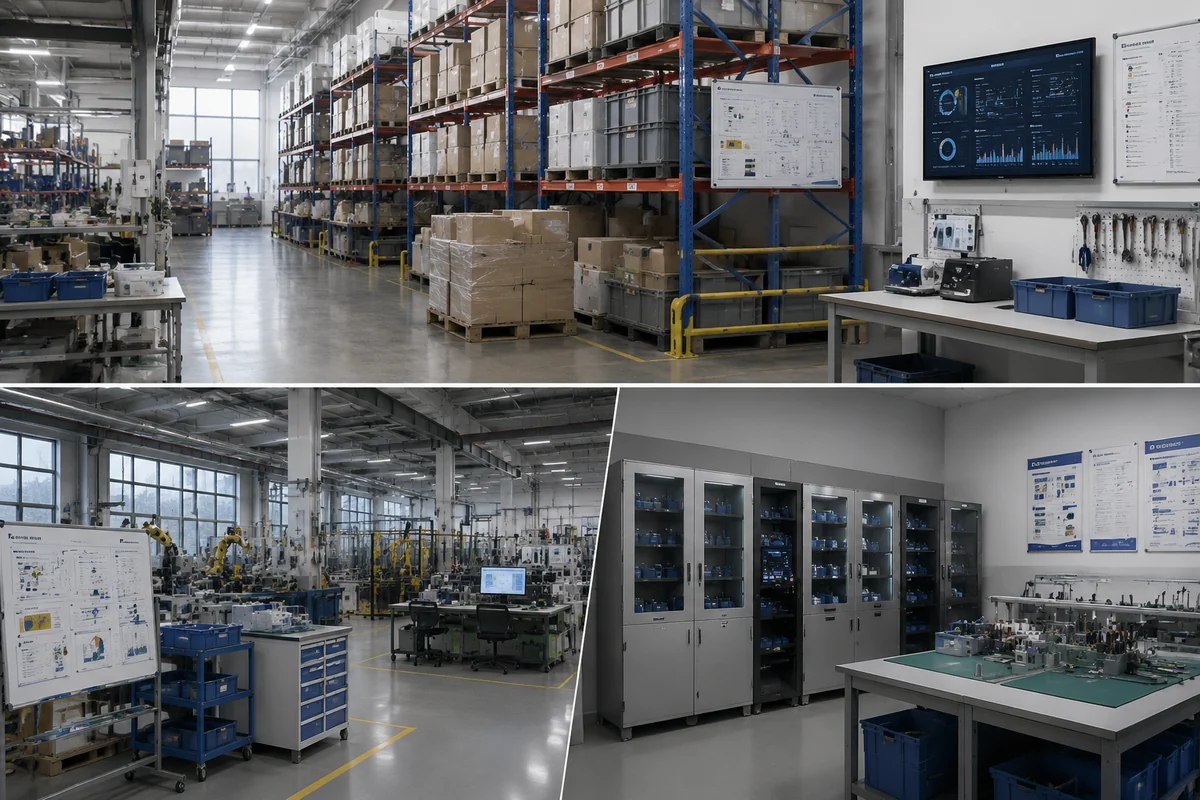
Validation kit, site-specific hardware bundle, workflow testing, and repeatable deployment package.
View pathEnter by cooperation role to confirm materials, samples, technical support, and delivery method faster.

Identify the project role first, then follow the matching customization scope, material list, and next action.
Need RFID modules, interface protocols, SDK, firmware, and structural cooperation.
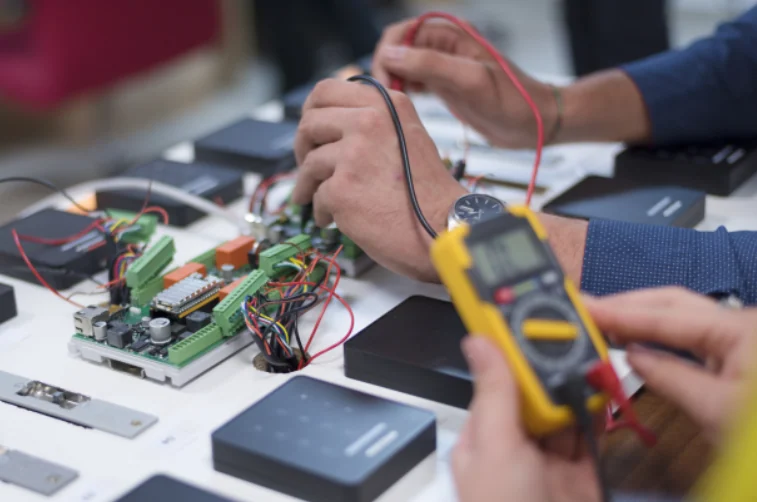
Need scenario test kits, reader combinations, interface material, and delivery support.

Need private label, localized material, packaging, stable supply, and after-sales boundary.

Need project equipment around tools, assets, reagents, storage, and similar scenarios.
Clarify boundaries for interfaces, firmware, structure, cabinets, tags, workflows, certification, and delivery materials in advance.

Reader, module, cabinet and validation kit platforms are used as the base. After the customer submits interface, structure, quantity, certification and target market information, the project enters review.
Interface / Firmware / SDK / Housing / Label
Host, quantity, certification
Cabinet / Lock / Antenna / UI / API
Item list, workflow, space
Hardware bundle / Test kit / SOP / Integration
Scenario and acceptance criteria
Evaluate input materials and base platforms first, then move into sample validation, trial production, batch delivery, and long-term support.

Submit project type, interface, structure, quantity, schedule, and target market.
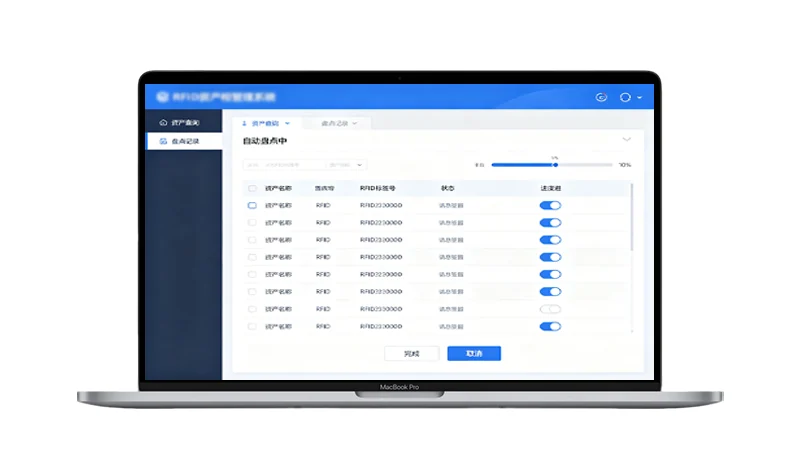
Decide whether to start from reader, module, cabinet, or validation kit platforms.

Confirm prototype, samples, test method, read zone, and interface output.
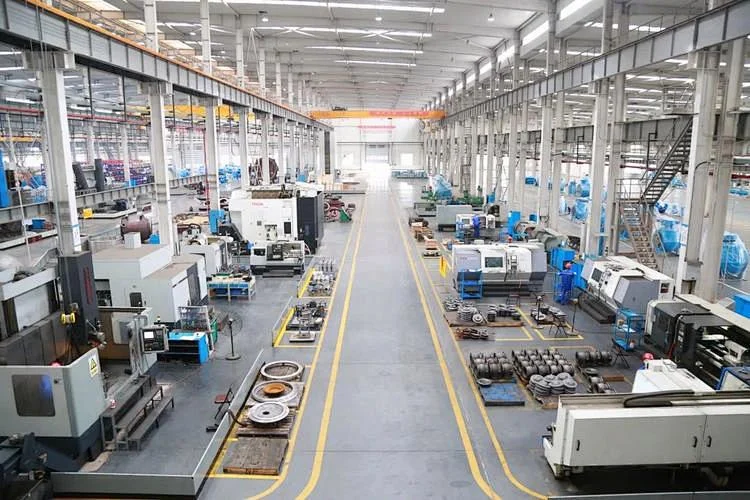
Prepare materials, assembly, testing, packaging, documentation, and factory checks.

Move into batch delivery, reusable material, after-sales follow-up, and long-term cooperation.
Readers, modules, cabinets, and validation kits are mature base platforms that reduce sample-stage risk and engineering cycle time.
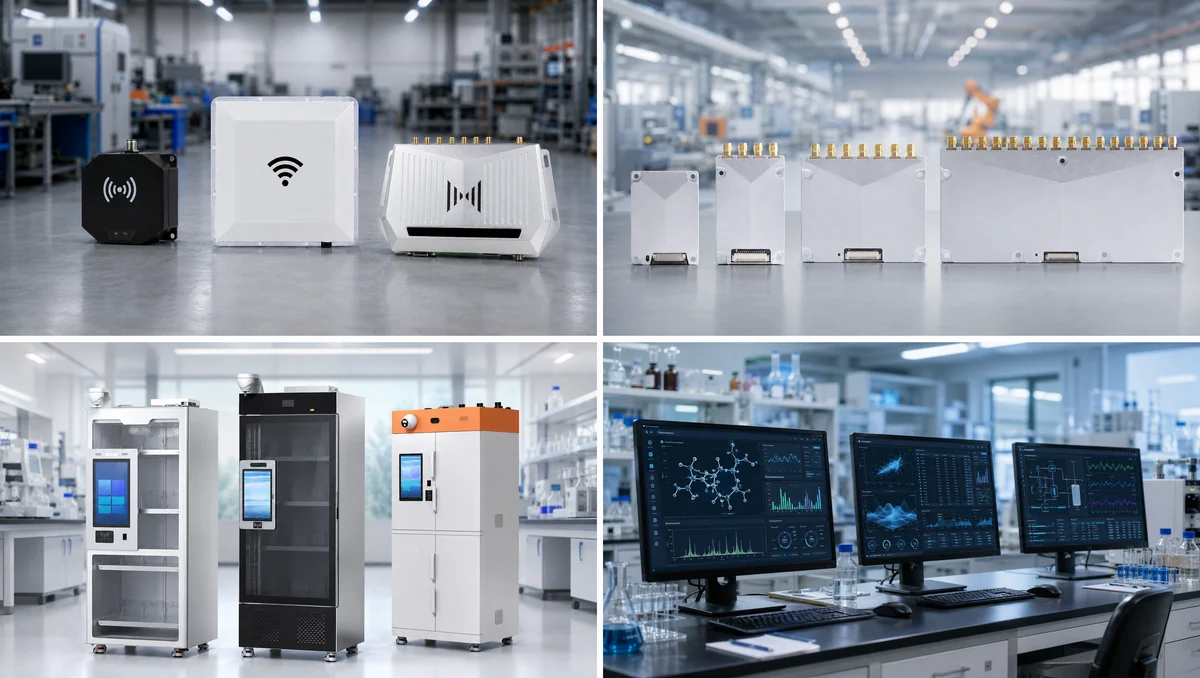
Suitable for terminals, cabinets, and embedded equipment projects.
Suitable for project equipment, small-batch replication, and structural adjustment.
Validate tags, read zones, interfaces, and business workflows before customization.
Used to quickly evaluate interfaces, protocols, SDKs, and performance limits.
Clarify quantity, engineering cost, certification responsibility, brand ownership, material scope, and delivery cycle in advance.
Explain sample, small-batch, mass production, and engineering cost boundaries by project type.
Clarify existing certifications, target-market certifications, and responsibility boundaries for new certification.
Requirement review, prototype, validation, trial production, and batch delivery stages.
Clarify ownership of brand, firmware version, documents, molds, and protocols.
Next step
OEM & ODM inquiries move faster when the customization boundary, base platform and expected volume are clear.
Separate interface, firmware, enclosure, label, UI, protocol and cabinet structure requirements.
Reader, module and equipment platforms reduce sample risk and shorten engineering review.
Confirm MOQ, NRE, certification, IP, packaging, and timeline before sampling.