
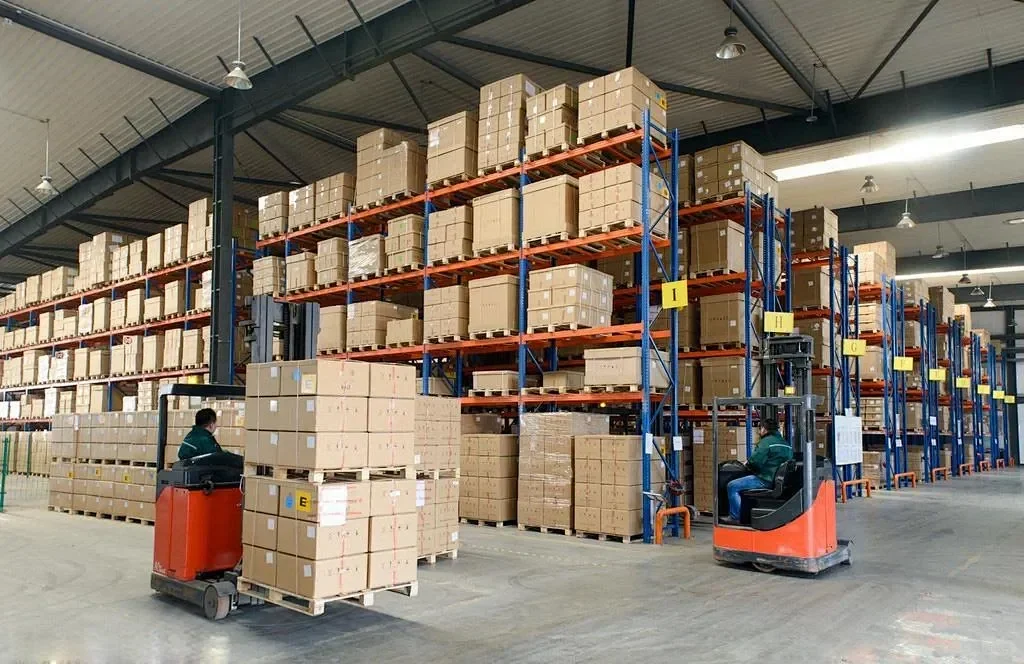
Manual dock checks slow shipment flow
Inbound, staging and outbound lanes often rely on repeated human scans, which makes exceptions harder to catch before goods move forward.
场景概览
仓储物流 RFID 的关键不是只选择读写器,而是把门口、通道、托盘流向、物品表面、读写事件和验证规则一起规划。这个页面按照真实部署顺序组织内容,方便采购、集成商和工程团队边巡检边对照。
Inbound, staging and outbound lanes often rely on repeated human scans, which makes exceptions harder to catch before goods move forward.
Carton density, metal racks, pallet direction and forklift speed all affect read stability when the zone has not been planned carefully.
Raw reads must become confirmed business events, otherwise duplicate or cross-lane reads create operational noise.
A stable deployment path starts with layout review, sample testing, acceptance rules and a supportable hardware stack.
Capture pallet, carton and door events without line-of-sight scanning.
Read multiple tags in a single pass to improve dock and count efficiency.
Keep inbound, outbound and inventory actions tied to one readable event chain.
Use the same review, test and handoff pattern for each site.
应用场景
跟着典型仓储流程,看 RFID 如何支撑每一步。
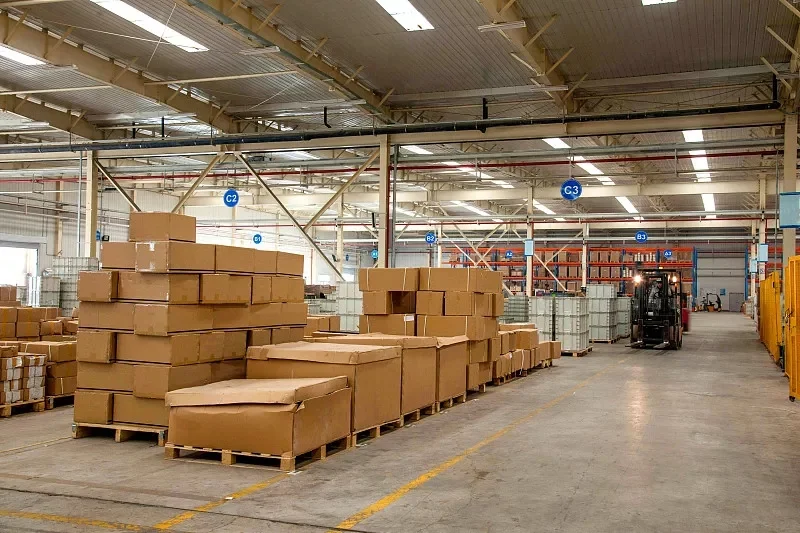
Use portal reads to validate pallets and cartons against inbound plans while exception records stay visible for operators.

Confirm the right pallet or carton leaves the dock before it is loaded, reducing missed items and post-shipment disputes.

Combine fixed read zones and handheld audit routines to support inventory accuracy without stopping daily warehouse flow.
产品与能力组合
查看支撑该场景的读写器、天线、验证和集成组件。
8-port fixed reader
Coordinates multi-antenna portal lanes and warehouse checkpoints.
Directional antenna set
Shapes the read zone for dock doors, conveyor points and pallet lanes.
Validation kit
Combines reader, antenna, tag samples and on-site test checklist.
Integration support
Helps connect confirmed RFID events to WMS, MES or middleware.
典型部署节点
多数仓储项目都会经过这些实际检查点。
Confirm inbound pallets and cartons against the plan before storage.
Track movement between staging, storage and picking zones.
Verify shipment status before loading and departure.
Support daily inventory checks without halting the warehouse.
接口与系统集成
读写器事件应先过滤,再进入主业务系统。
Fixed reader, Antenna set, Tag samples, Integration stack
读写器事件应先过滤,再进入主业务系统。
读写器事件应先过滤,再进入主业务系统。
适用场景与评估边界
仓储项目应按实际运营边界验证,而不是只看通用射频承诺。
Dock doors, conveyor lanes, pallet movement and cycle counting.
Lane width, object size, tag placement, system interface and target read rate.
Metal racks, liquid goods, dense cartons and tight lane spacing.
OEM & ODM 支持
该场景也可以进一步形成面向伙伴和集成商的可复制交付包。
Bundle the reader, antenna, tag samples and checklist into one project pack.
Adapt the deployment packet for branded delivery and reuse.
Keep the accepted layout, test path and support notes ready for replication.
部署流程
按清晰的交付顺序,从流程映射走到验证上线。
Confirm receiving, storage, picking, staging and outbound movement points.
Set portal width, antenna position, direction and object movement rules.
Match reader ports, antenna type, tag surface and installation constraints.
Test read rate, cross reads, blind spots and WMS event rules on site.
Document the accepted layout, replicate sites and keep technical support available.
测试与验证支持
批量部署前,先用试点验证真实仓储边界。
Check lane width, dock flow, antenna positions and mounting points.
Validate tags, pallets and carton combinations in the real environment.
Document read rate, duplicate filtering and event confirmation logic.
常见问题
在开始验证前,先看常见的技术与项目问题。
Use fixed readers for repeatable lanes, gates and checkpoints. Use handhelds when the workflow needs mobile exception checks, shelf audit or flexible inventory review.
Yes. Define which reads become business events first, then connect confirmed events through API, middleware, or project-specific integration logic.
Prepare lane width, pallet or carton dimensions, object material, tag position, movement speed, target read rate and any existing system interface notes.
For warehouse portals and dense logistics scenes, validation is strongly recommended because tag material, stacking density and lane spacing affect real read results.