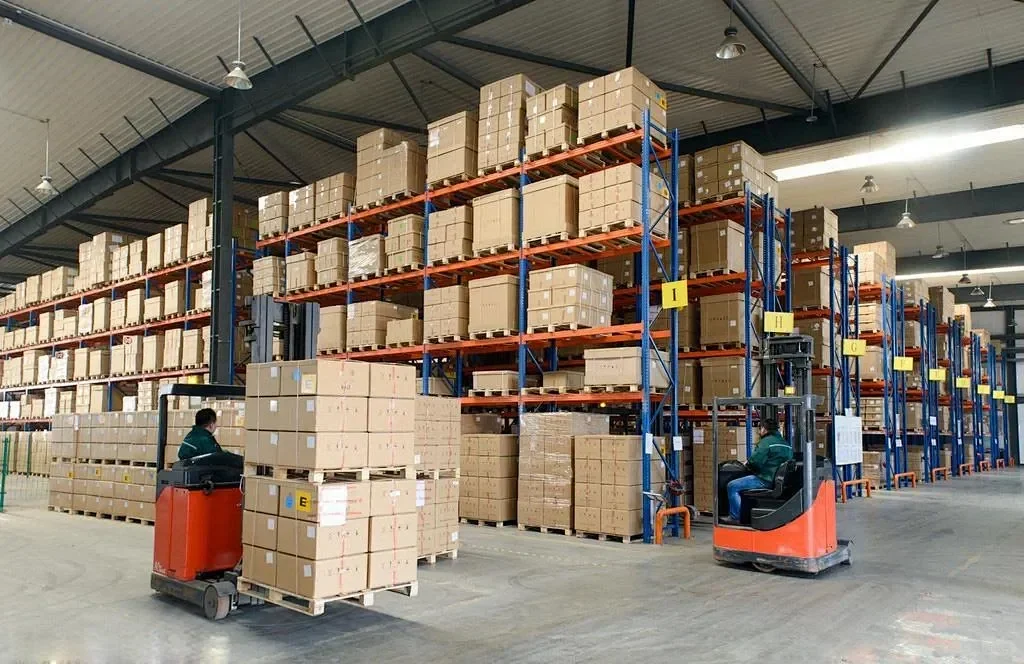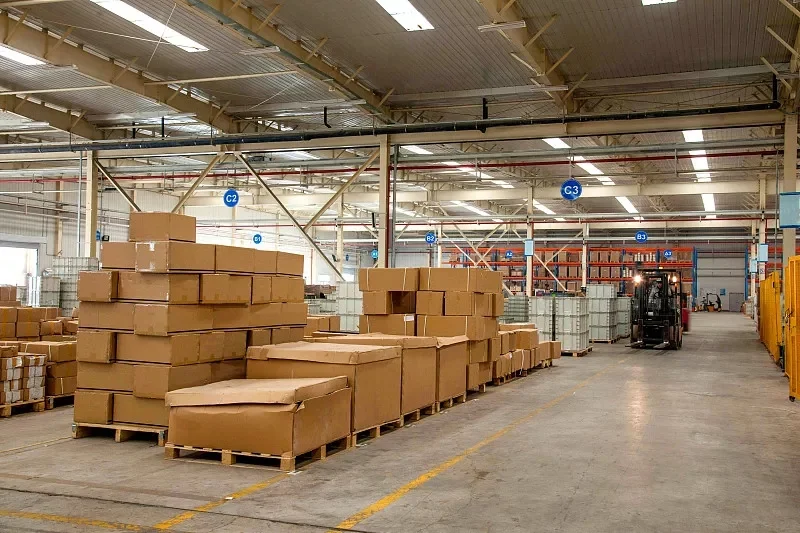
Manual dock checks slow shipment flow
Inbound, staging and outbound lanes often rely on repeated human scans, which makes exceptions harder to catch before goods move forward.
アプリケーションシナリオ
A practical structure for dock doors, portals, pallet movement, inbound/outbound verification and inventory audit.

Scenario overview
Warehouse RFID works best when dock doors, portal lanes, pallet flow, object surfaces, read events and validation rules are planned together. This page keeps the project view close to the actual deployment sequence so buyers, integrators and engineers can review it side by side.
Inbound, staging and outbound lanes often rely on repeated human scans, which makes exceptions harder to catch before goods move forward.
Carton density, metal racks, pallet direction and forklift speed all affect read stability when the zone has not been planned carefully.
Raw reads must become confirmed business events, otherwise duplicate or cross-lane reads create operational noise.
A stable deployment path starts with layout review, sample testing, acceptance rules and a supportable hardware stack.
Capture pallet, carton and door events without line-of-sight scanning.
Read multiple tags in a single pass to improve dock and count efficiency.
Keep inbound, outbound and inventory actions tied to one readable event chain.
Use the same review, test and handoff pattern for each site.
アプリケーションシナリオ
Follow typical warehouse workflows and how RFID supports each step.

Use portal reads to validate pallets and cartons against inbound plans while exception records stay visible for operators.

Confirm the right pallet or carton leaves the dock before it is loaded, reducing missed items and post-shipment disputes.

Combine fixed read zones and handheld audit routines to support inventory accuracy without stopping daily warehouse flow.
Products and capabilities
Explore the reader, antenna, validation and integration components behind the scenario.
8-port fixed reader
Coordinates multi-antenna portal lanes and warehouse checkpoints.
Directional antenna set
Shapes the read zone for dock doors, conveyor points and pallet lanes.
Validation kit
Combines reader, antenna, tag samples and on-site test checklist.
Integration support
Helps connect confirmed RFID events to WMS, MES or middleware.
Typical deployment nodes
These are the practical checkpoints most warehouse projects pass through.
Confirm inbound pallets and cartons against the plan before storage.
Track movement between staging, storage and picking zones.
Verify shipment status before loading and departure.
Support daily inventory checks without halting the warehouse.
Interfaces and system integration
Reader events should be filtered before they reach the host system.
Fixed reader, アンテナセット, タグサンプル, Integration stack
Reader events should be filtered before they reach the host system.
Applicable scenarios and evaluation boundaries
Warehouse projects should be validated against the right operating boundary, not generic RF claims.
Dock doors, conveyor lanes, pallet movement and cycle counting.
Lane width, object size, tag placement, system interface and target read rate.
Metal racks, liquid goods, dense cartons and tight lane spacing.
OEM & ODMサポート
This scenario can also become a repeatable delivery package for partners and integrators.
Bundle the reader, antenna, tag samples and checklist into one project pack.
Adapt the deployment packet for branded delivery and reuse.
Keep the accepted layout, test path and support notes ready for replication.
Deployment flow
Move from workflow mapping to validated rollout with a clear delivery sequence.
Confirm receiving, storage, picking, staging and outbound movement points.
Set portal width, antenna position, direction and object movement rules.
Match reader ports, antenna type, tag surface and installation constraints.
Test read rate, cross reads, blind spots and WMS event rules on site.
Document the accepted layout, replicate sites and keep technical support available.
Testing and validation support
A pilot should verify the real warehouse boundary before any batch rollout.
Check lane width, dock flow, antenna positions and mounting points.
Validate tags, pallets and carton combinations in the real environment.
Document read rate, duplicate filtering and event confirmation logic.
FAQ
Review common technical and project questions before starting validation.
Use fixed readers for repeatable lanes, gates and checkpoints. Use handhelds when the workflow needs mobile exception checks, shelf audit or flexible inventory review.
Yes. Define which reads become business events first, then connect confirmed events through API, middleware, or project-specific integration logic.
Prepare lane width, pallet or carton dimensions, object material, tag position, movement speed, target read rate and any existing system interface notes.
For warehouse portals and dense logistics scenes, validation is strongly recommended because tag material, stacking density and lane spacing affect real read results.
Start the layout review
We will match the reader, antenna, tag and validation path before quotation or sample delivery.