
Requirement review
Confirm the managed objects, workflow, space, integration target, and project schedule.
Smart Equipment
For tools, reagents, consumables, assets, samples, and other managed objects, LITTT provides RFID smart cabinets, recognition stations, and project equipment for borrowing, return, inventory, permissions, traceability, and audit.
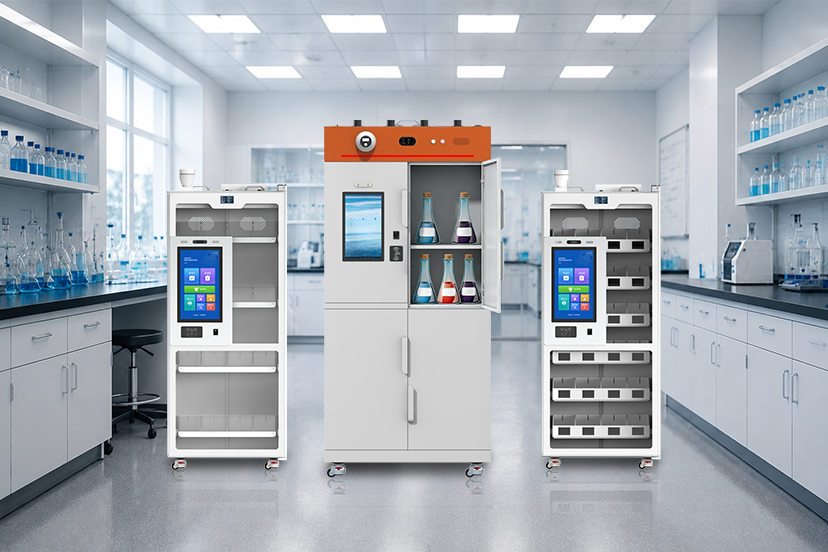
Start from the items and workflow to be managed, then choose the right cabinet, read zone, permission, and system integration path.
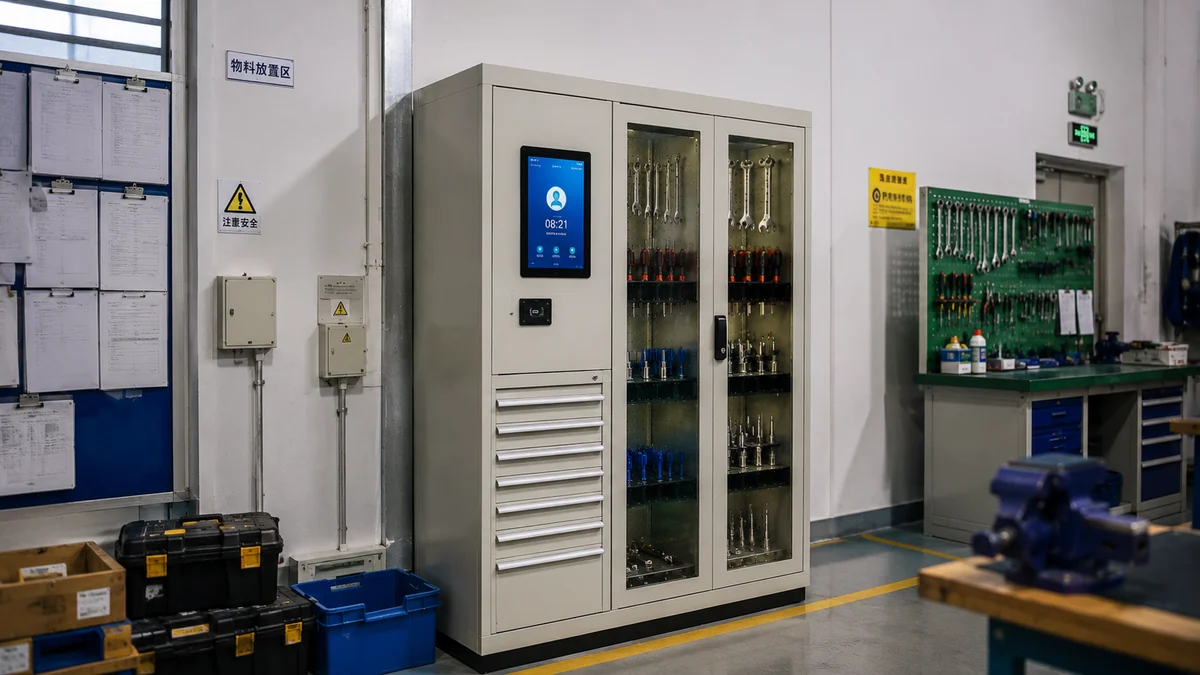
Controlled tool custody cabinet with identity-based check-in/out, missing-item alerts and audit traceability.

Controlled reagent cabinet with batch, expiry, inventory and accountability records.

Asset cabinet for borrow, return, charging status, overdue reminders and audit traceability.
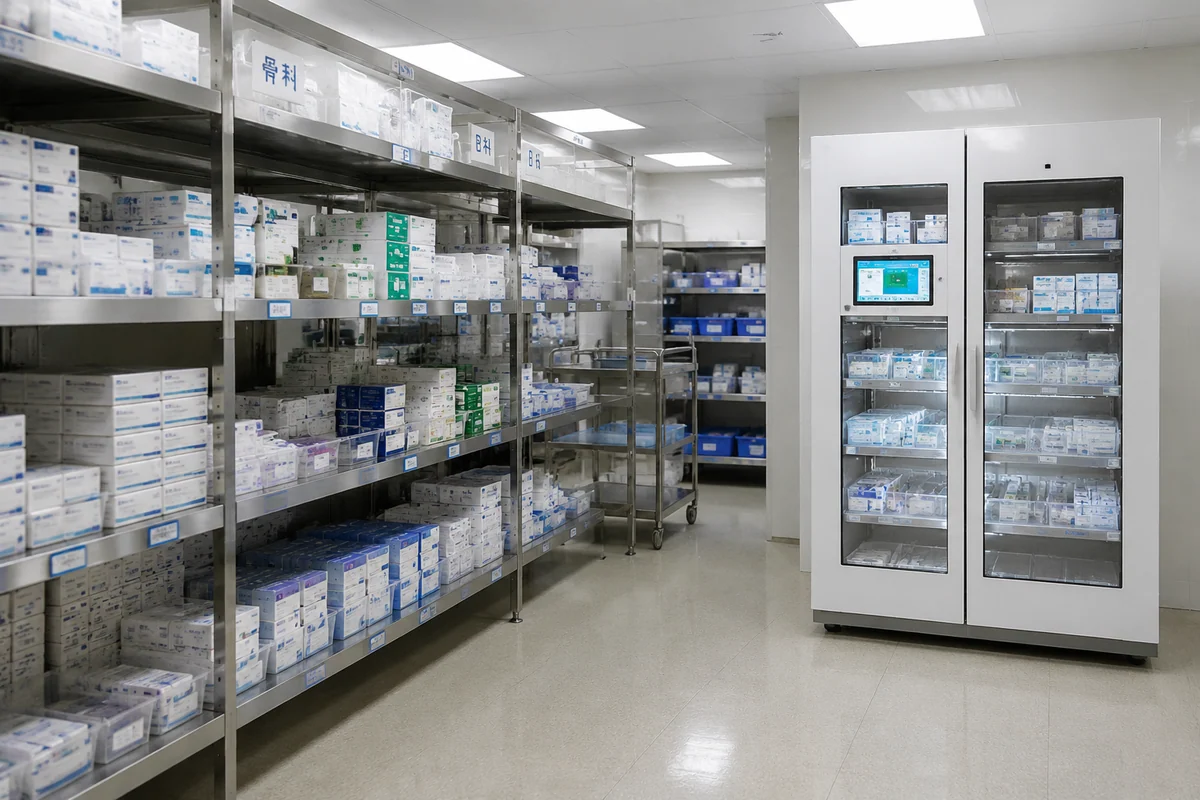
High-value medical inventory cabinet with patient link, batch, expiry and recall traceability.

Sample cabinet for identity, location, inventory, handover and traceability in ambient or refrigerated projects.

Verification station for sample handover, identity checks, location confirmation and audit records.
When items need borrowing records, inventory status, batch traceability, permission control, or audit reports, smart equipment can form a closed-loop workflow.
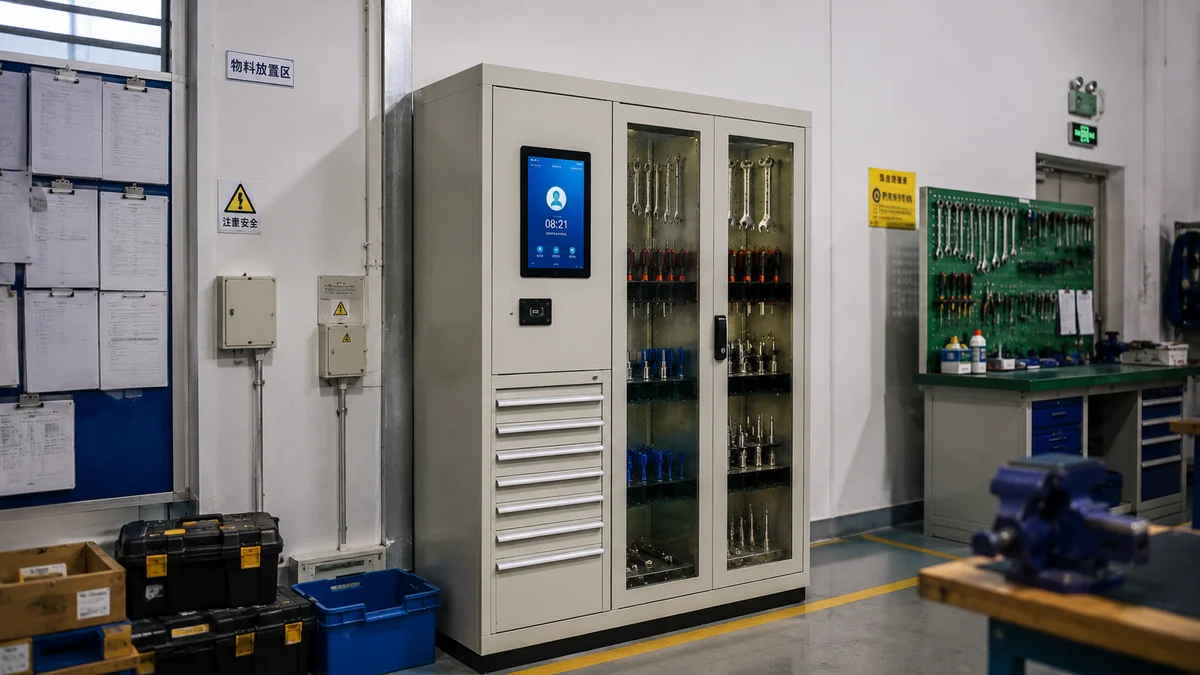
Suitable for tool issue, return, inventory, missing alerts, calibration reminders, and accountability tracking.

Suitable for room-temperature reagent storage, issue, return, expiry, inventory, and responsibility records.
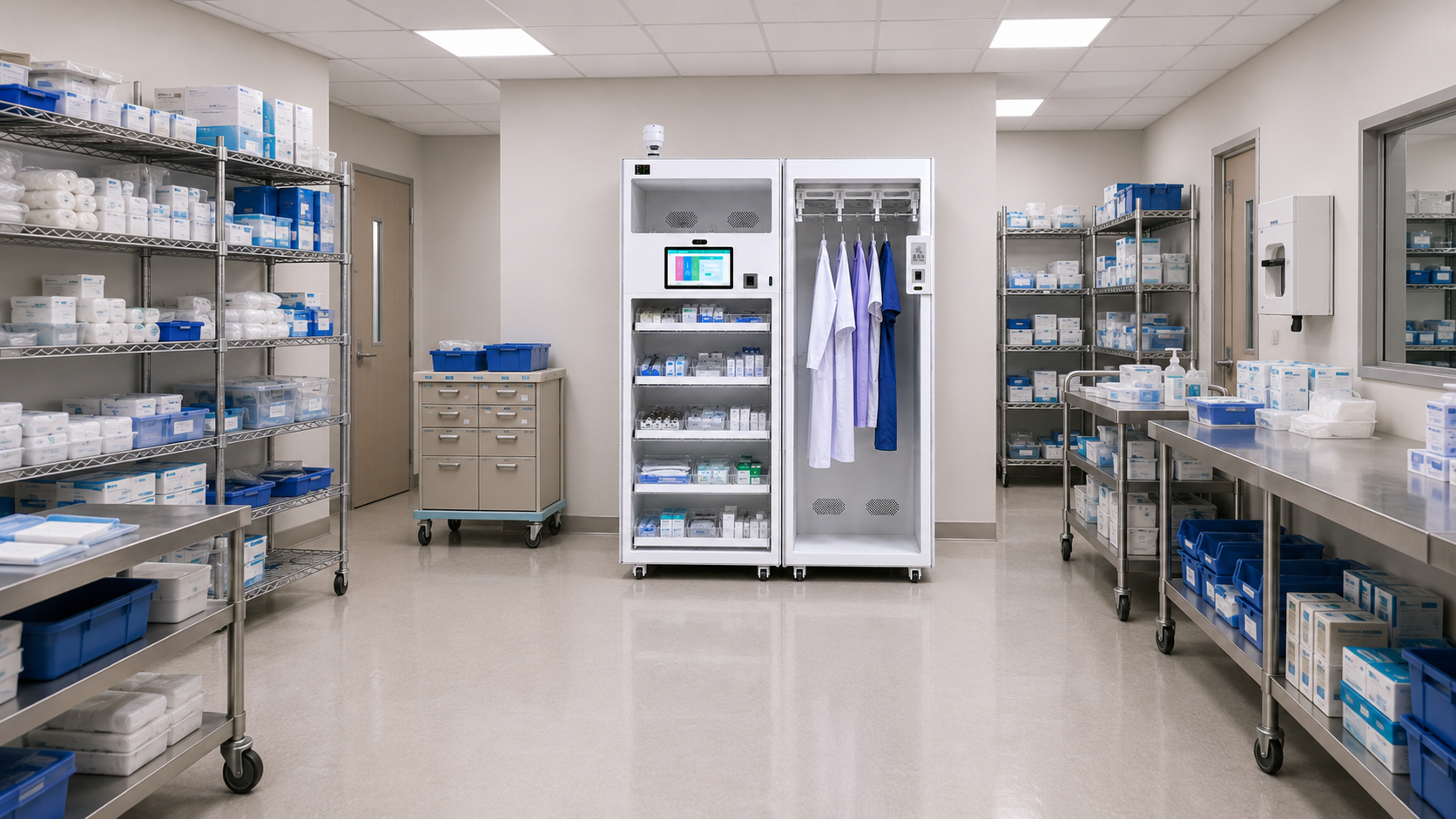
Suitable for high-value consumables, implants, consignment inventory, usage traceability, and recall search.

Suitable for sample storage, release, return, handover verification, location management, and traceability.
Confirm the managed objects, workflow, and site constraints first, then complete cabinet matching, sample validation, pilot launch, and repeatable delivery.
Confirm the managed objects, workflow, space, integration target, and project schedule.
Select the cabinet, shelf, portal, or read-zone base that best fits the scenario.
Validate read rate, structure fit, UI flow, interface output, and exception handling.
Lock the pilot scope, documents, training, and site acceptance criteria.
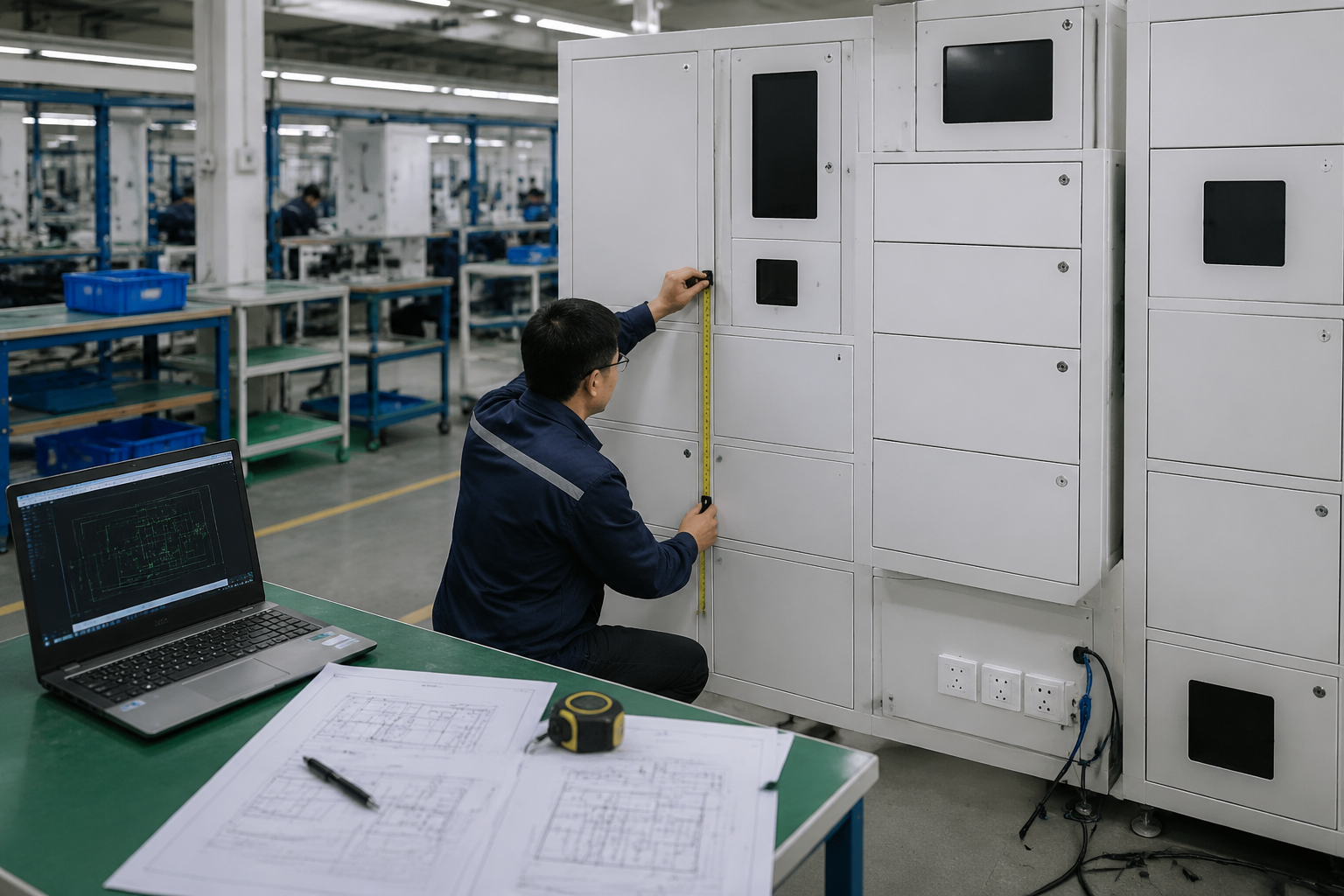
Clarify cabinet structure, RFID read zone, operator UI, permission workflow, API, and reporting boundaries in advance.
Size, compartments, doors, drawers, locks, and service access.
Reader ports, antenna layout, shielding, and anti-misread logic.
Login, borrow-return, prompts, approval, and exception flow.
Host fields, event output, reports, alerts, and integration rules.
Prepare item dimensions, material, packaging, quantity, placement method, site space, power, network, and system interface requirements.
Next step
Smart equipment needs object data, cabinet or site constraints, workflow rules and integration expectations.
Confirm whether a cabinet, read zone, shelf or station can start from an existing platform.
Borrow, return, permission, audit, expiry, exception and reporting rules shape the project.
Validate read accuracy, item density, door and lock logic, and API flow before rollout.