
Reader, antenna, tag strategy, layout note, validation kit, SOP and data-output logic.
Scenario Solution ODM / OEM
Scenario solution ODM / OEM program
Build validation-ready RFID scenario packages with matched hardware bundles, testing logic, SOP assets and repeatable deployment outputs for real project environments.
Scenario packageValidation kitSOP and rollout assetsReplication delivery

Path Snapshot
Test object material, package form, read distance, environment and exception cases first.
Managed objects, site photos, workflow rules, system target and acceptance criteria.
Scenario review, validation planning, pilot layout and replication package delivery.
01
Best Fit For This Path
This path should help customers decide whether they need a validation-led scenario package or should move into a reader or cabinet program instead.
Clear Scene, Unclear Hardware
Use this path when the workflow and site are clear but reader, antenna, tag and layout choices still need validation.
Need Validation Before Rollout
Use this path when the customer wants object samples, test rules, read points and acceptance criteria locked before broad quotation.
Need SOP And Replication Assets
Use this path when the final deliverable must include deployment guidance, checklist logic and repeatable rollout material.
Switch Paths When Needed
Move to reader OEM when the request is really a hardware-platform program, or to equipment ODM when the scene clearly requires a cabinet product route.
02
Delivery Package By Stage
The scenario page should show what a validation-led package actually produces from review through replication.
| Stage | Typical deliverables |
|---|---|
| Scenario review | Managed-object list, workflow checkpoints, site constraints and the key questions the project must answer |
| Validation plan | Hardware bundle, object sample list, test checklist and result criteria |
| Pilot layout | Read-point guidance, tag direction, event logic and system-field mapping |
| Adjustment | Updated test conclusions, exception handling, bundle changes and acceptance notes |
| Replication delivery | SOP, deployment checklist, partner or operator guidance and rollout support boundary |
03
Acceptance Boundary
Scenario packages should define success conditions by scene, not by generic RF promises.
| Focus | Confirm before acceptance | Do not promise by default |
|---|---|---|
| Scene read result | Read rate is verified on the agreed object set, package form, read point and interference condition. | Do not promise one result across every site, object mix or movement pattern before validation. |
| Exception logic | Blind spots, cross reads, missed reads and operator exception paths are documented during validation. | Do not assume exception handling is solved only by hardware selection. |
| System mapping | Event fields, host responses and reporting logic are checked against the chosen integration boundary. | Do not treat scenario guidance as full customer-system development. |
| Rollout repeatability | Pilot conclusions, SOP and checklist material are reviewed before scale-up begins. | Do not promise zero on-site tuning when the rollout environment changes materially. |
04
Commercial Boundary
A scenario package often combines hardware, testing and rollout assets, so the commercial split must stay visible.
Validation Kit Cost
Keep sample readers, antennas, tags and test materials visible as a validation-stage package.
Pilot Bundle And Engineering
Separate layout review, on-site test logic, issue logging and engineering adjustment from base hardware supply.
SOP And Integration Assets
Show checklist, SOP, field mapping and deployment notes as explicit deliverables when they are required.
Replication Support
Keep rollout guidance, partner handoff, training and follow-up support outside of the first validation quote unless included.
05
Minimum Start Pack
These are the minimum materials needed before the team can plan a validation kit or a pilot deployment path.
| Minimum input | Why it is needed |
|---|---|
| Managed objects and package forms | Defines tag fit, read difficulty and likely interference |
| Site photo or layout | Shows the real read point, operator path and environmental constraints |
| Workflow checkpoints | Clarifies where events, verification and exceptions happen |
| System target and field list | Defines what data the scenario package must output |
| Acceptance criteria | Sets the standard for validation, pilot and rollout review |
| Quantity or rollout expectation | Shows whether the work stops at validation or must become a repeatable package |
Base Platforms
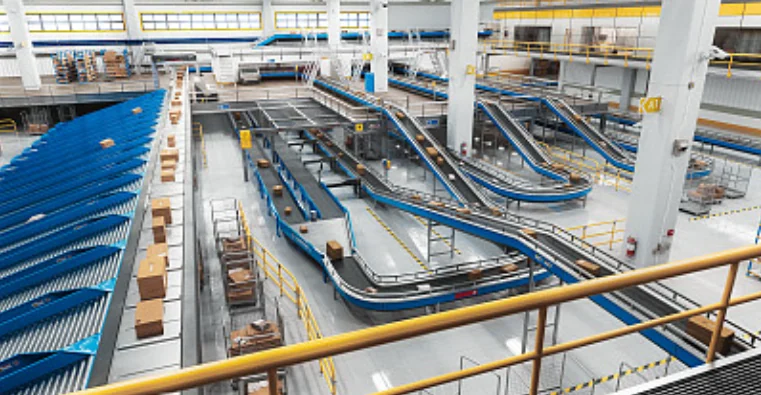
Current platform
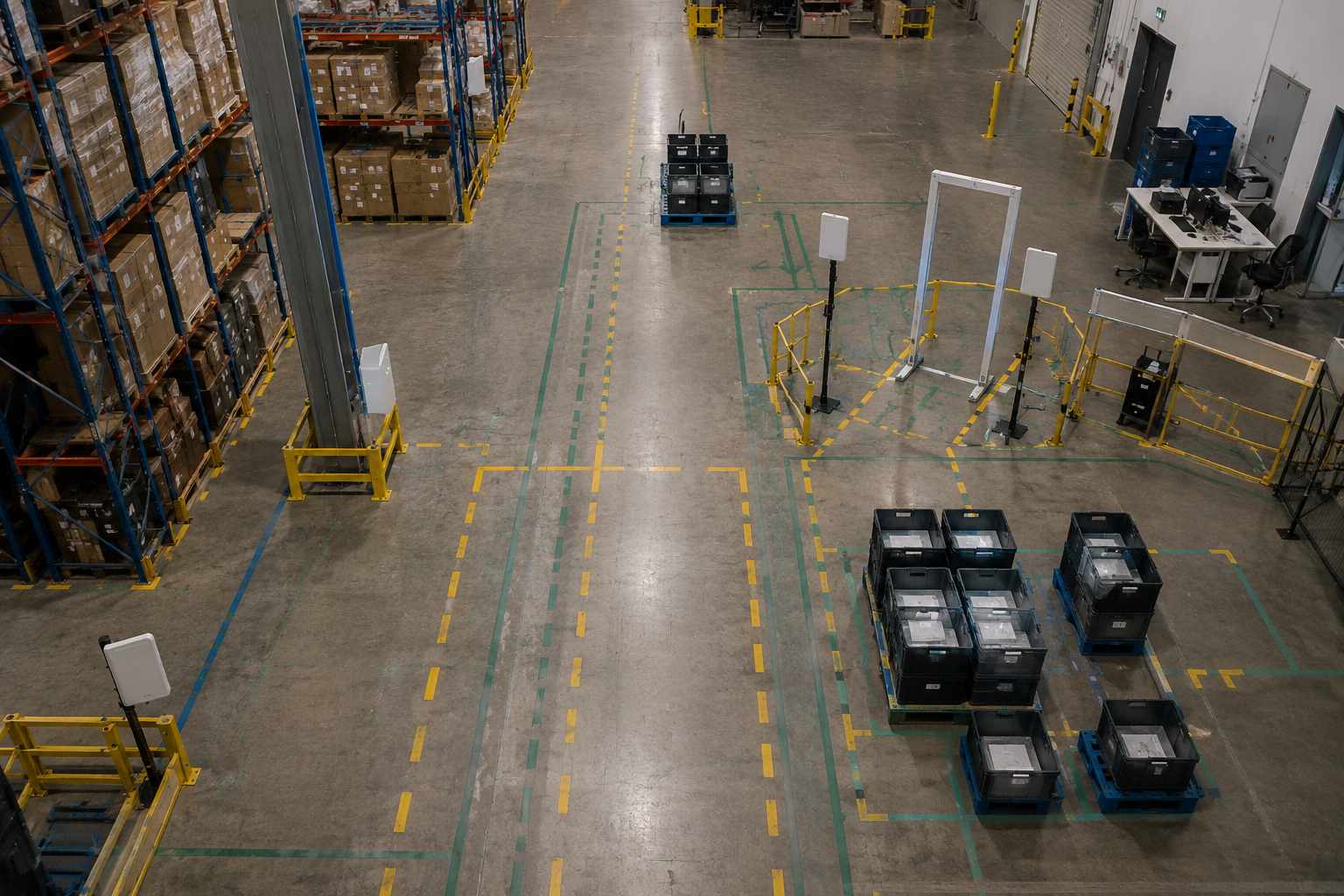
Warehouse / Portal Scenario Package
Bundle reader, antenna, tag, layout and site-validation logic for receiving, movement, storage and outbound checkpoints.
- Fits dock, lane, pallet and storage workflows that need structured validation.
- Keeps hardware selection linked to read-zone planning and exception handling.
- Useful when the site needs a repeatable rollout package after pilot review.
Solution Package Composition
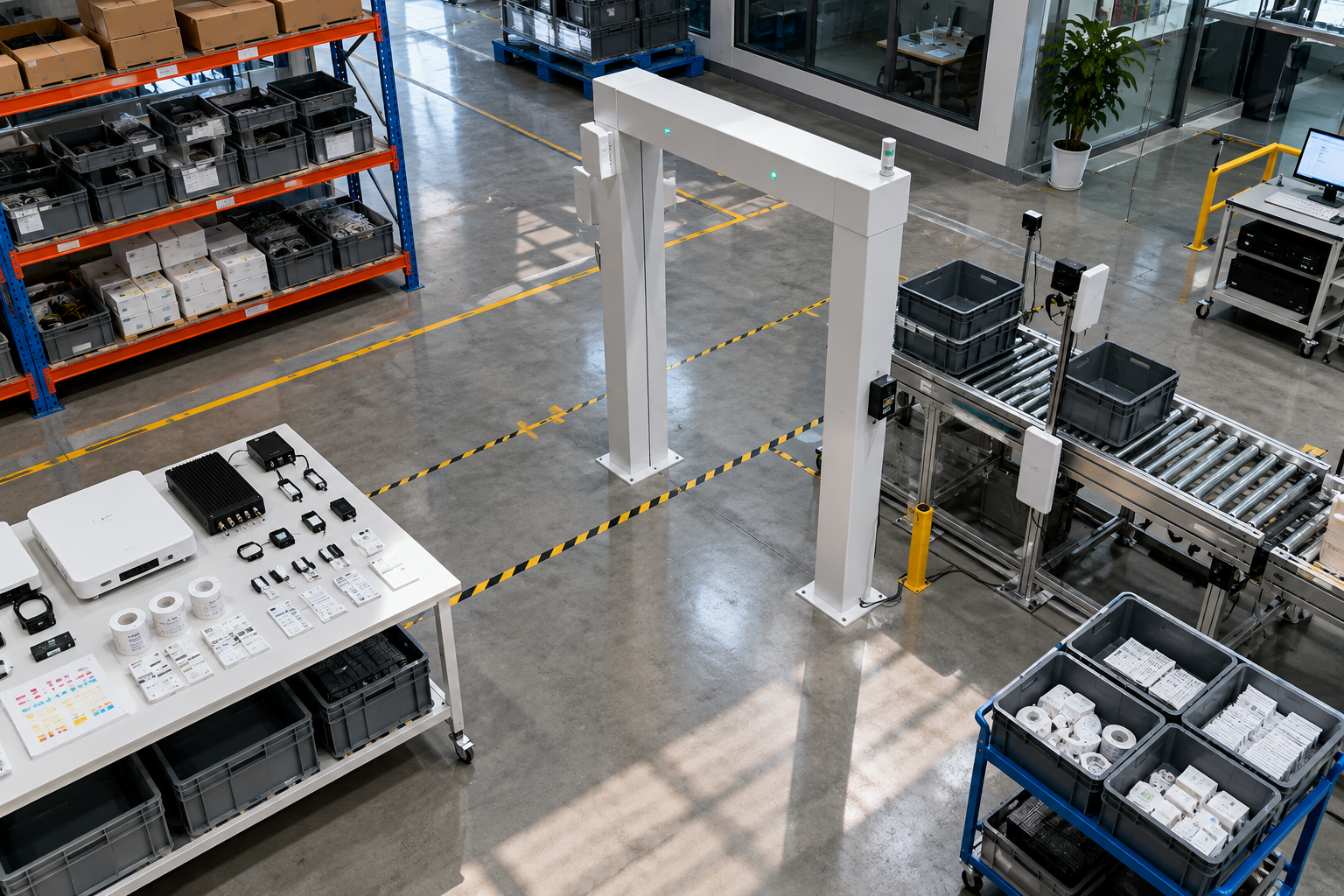
Reader / Antenna
Select the hardware family that matches the scene and read-zone boundary.
Tag Strategy
Confirm tag material, attachment method and object-level fit.
Layout Guide
Plan positions, boundaries, interference points and field constraints.
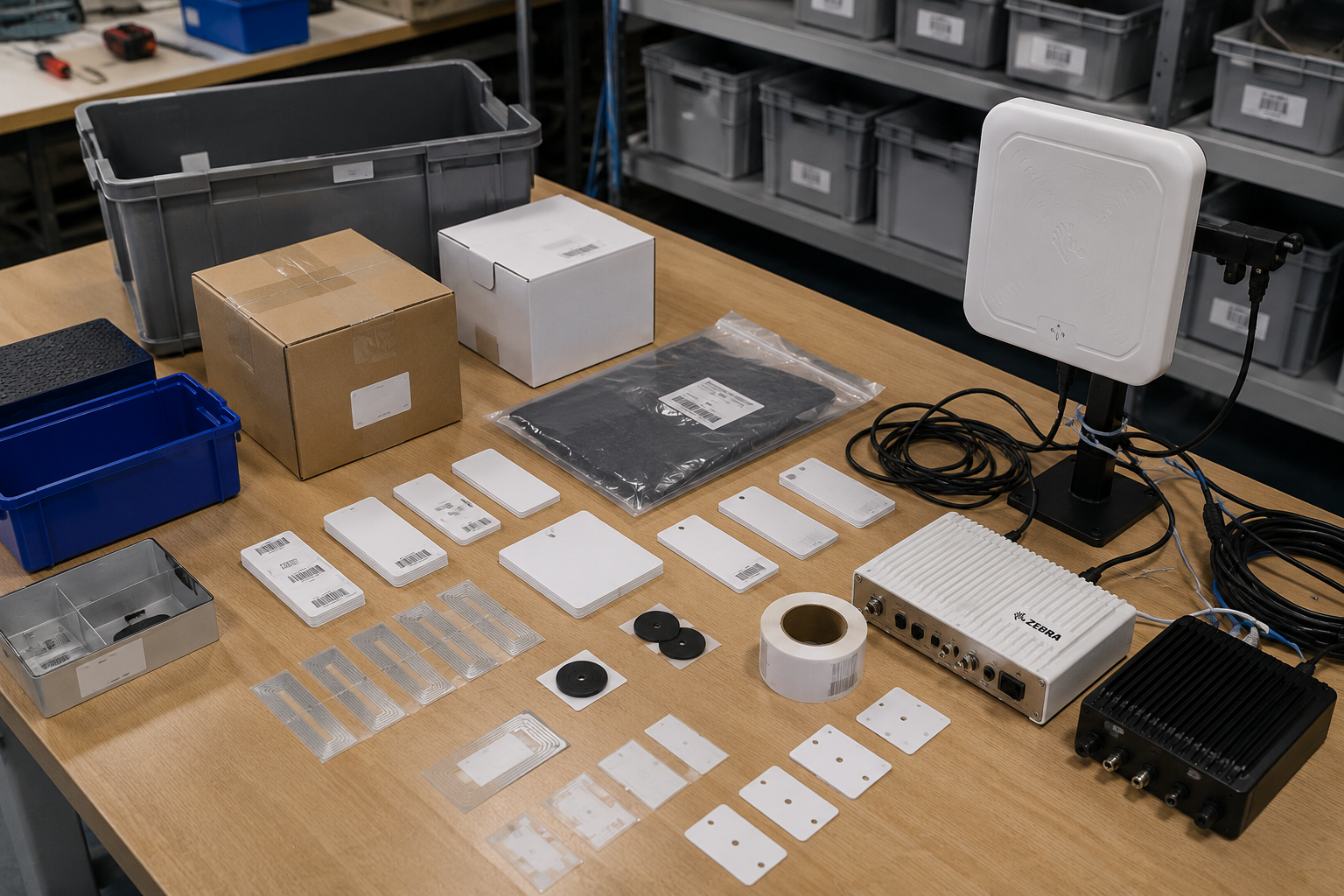
Validation Kit
Prepare objects, tags, tests and result criteria before deployment.
SOP Package
Turn test conclusions into repeatable operating and deployment steps.
Data Rule Set
Clarify event outputs, system mapping and exception handling expectations.
Scenario Gallery
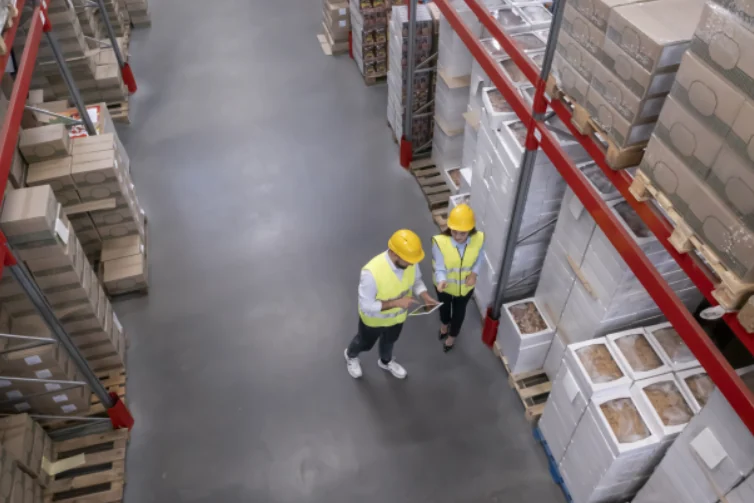
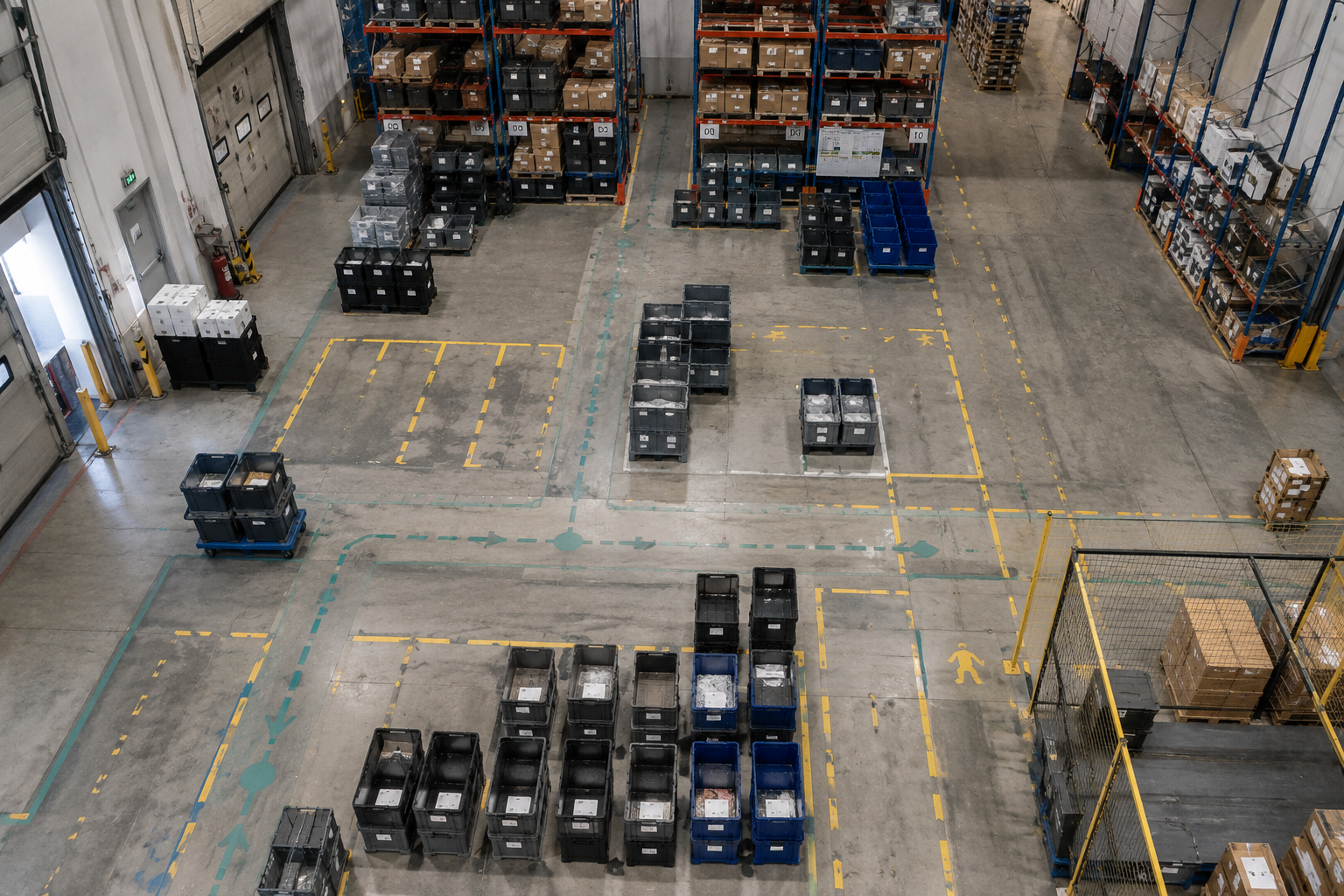
Deployment point review
Use real scene photos and layout diagrams to identify the actual read point, operator movement and exception path before hardware is fixed.

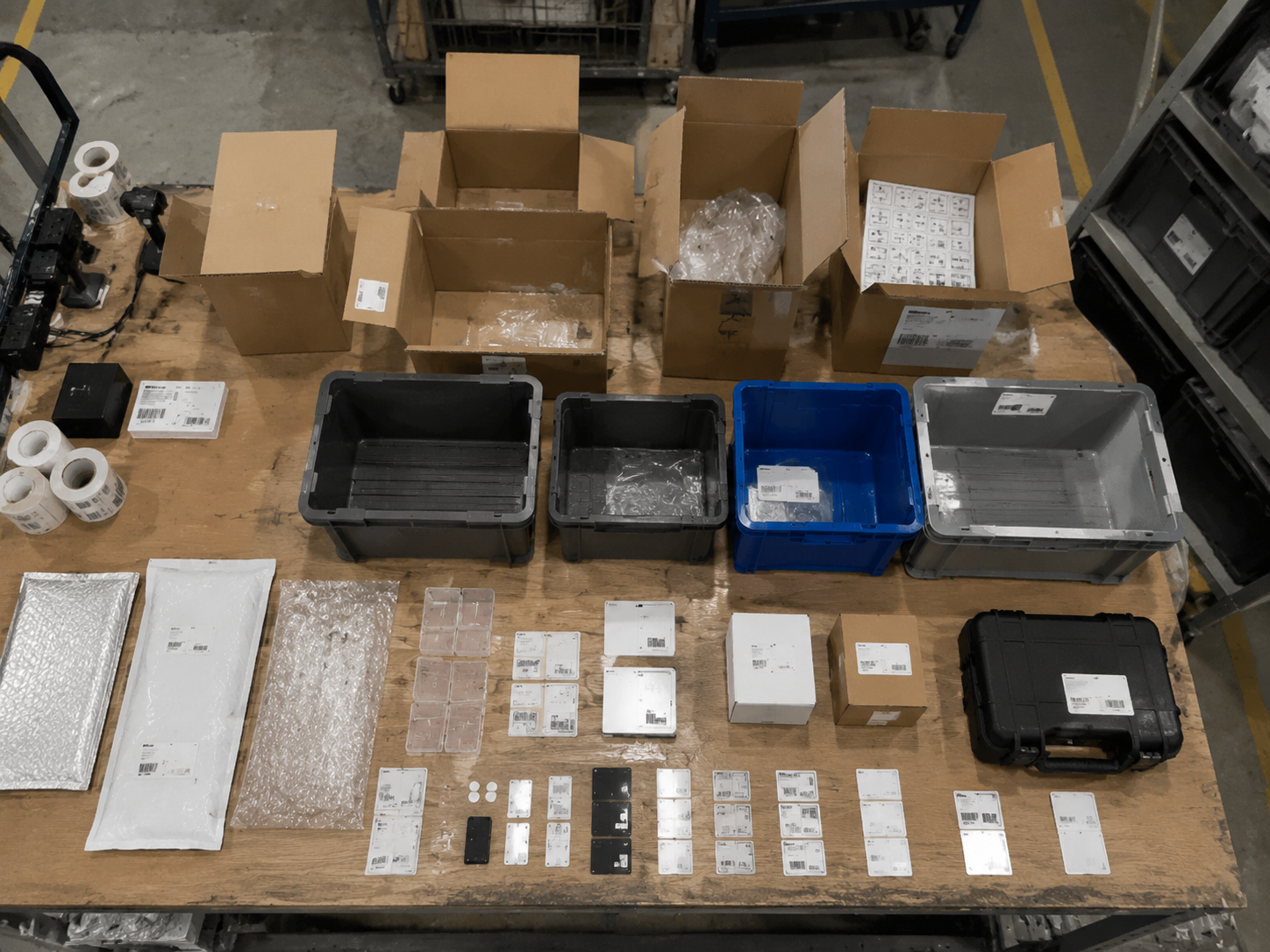
Validation scene and test setup
Show how objects, packages, read distance and interference are tested before final bundle and SOP decisions are made.
Customization Scope
Hardware Bundle
Adjust reader, antenna, tag and accessory combinations around the actual site path.
Validation Plan
Define object samples, package types, read distances and scene-specific test methods.
SOP / Process
Adapt deployment, operation and exception-handling steps to the target team.
Integration Rule
Map system fields, events, host responses and escalation logic.
Replication Package
Prepare the materials needed for multi-site rollout or partner delivery.
Acceptance Criteria
Keep accuracy, workflow and reporting expectations explicit before rollout.
Required Inputs
- Managed object type, package form, material characteristics and tag strategy
- Site photos, layout limits, read-point position and interference conditions
- Workflow checkpoints, operator actions, exception cases and SOP expectations
- System target, field list, host response and output-result requirements
- Validation standard, pilot target and rollout acceptance criteria
- Whether the project may shift into cabinet delivery or reader OEM after validation

Delivery Flow

Scenario Review
Clarify object type, environment, workflow and the questions that the project must answer first.
Validation Plan
Build the sample list, test steps, hardware bundle and result criteria around the real scene.
Pilot Layout
Translate validation conclusions into layout guidance, system rules and a practical deployment path.

Adjustment
Close read-zone, tag, workflow and reporting issues before replication begins.

Replication Delivery
Deliver SOP, checklists, deployment assets and follow-up support boundaries for rollout.
Proof And Next Resources



Hub
Scenario Center
Compare standard scenario routes before turning the work into an OEM & ODM solution package.
ChecklistValidation Checklist
Prepare the site and object information needed before test planning starts.
CatalogReader Catalog
Use the reader hub when the hardware family still needs comparison.
PathEquipment Path
Move into the equipment route when the scenario needs a cabinet or controlled-storage product path.
Related Routes
Next Step
Scenario solution ODM / OEM program
Build validation-ready RFID scenario packages with matched hardware bundles, testing logic, SOP assets and repeatable deployment outputs for real project environments.