
Reader brands, equipment manufacturers, integrators, embedded-terminal makers and private-label channel programs.
Reader OEM & ODM
RFID Reader OEM/ODM Requirement & Delivery Scope
Confirm the reading object, target market, frequency band, hardware form, interface, protocol, branding and quantity first, then decide whether the project fits standard OEM, light ODM or deep ODM.
Application inputsFrequency and certificationHardware and protocolQuote boundary
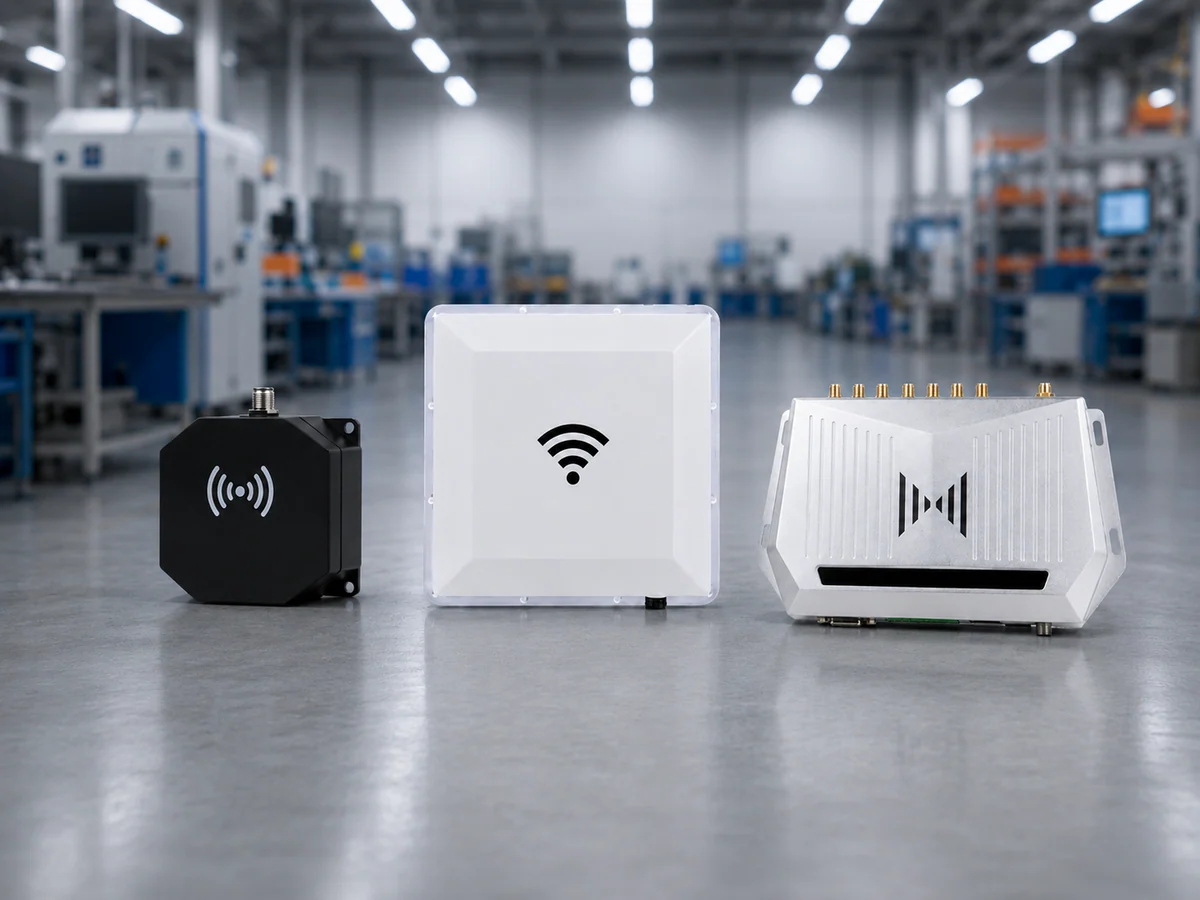
Path Snapshot
Application, tag and object material, read distance, read quantity, market, certification, interface and protocol.
Reader hardware, firmware, SDK, protocol, enclosure, label, packaging and production documentation.
Submit the requirement checklist so the project can be screened as standard OEM, light ODM or deep ODM.
01
Program Tiers
Use the correct tier before quotation so hardware, firmware, branding and certification changes stay inside an agreed scope.
Standard Product OEM
Use an existing reader, module or desktop platform with customer logo, neutral label, model name, carton and manual changes. Main board and core firmware stay standard.
Light ODM
Adjust interface combinations, shell color, nameplate, protocol fields, default parameters, auto upload, tag filtering, heartbeat packets or customer demo package.
Deep ODM
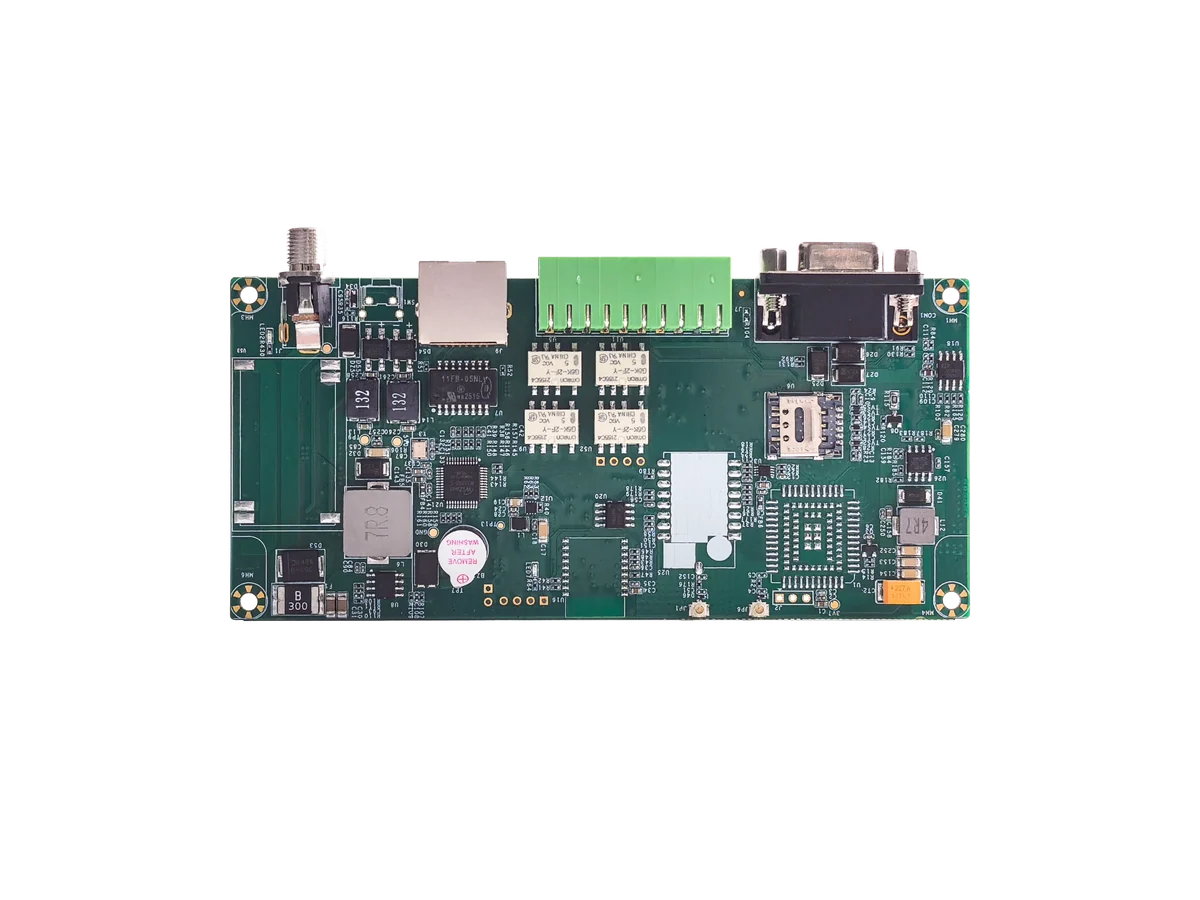
Customize board size, port layout, power method, enclosure structure, RF module selection, antenna matching and host-device adaptation for a dedicated platform.
Not Included By Default
Customer business software, cloud platform, local certification application cost, on-site installation and broad firmware rewrites should be quoted separately.
02
Customer Inputs Before Review
The reader project cannot be quoted accurately until the RF scene, market, interface and commercial assumptions are separated.
Application Scenario
Warehouse gates, RFID portals, tunnel machines, retail inventory, smart-cabinet embedding, production stations, desktop encoding, self-service terminals or handheld integration.
Target Market And Certification
Target country, frequency band, FCC / CE RED / UKCA / ISED / RoHS / REACH requirement, certificate ownership and whether customer-brand re-certification is needed.
Hardware Specification
Reader form factor, antenna ports, RF power, USB / RS232 / RS485 / TCP/IP / Wi-Fi / GPIO / Wiegand, power mode, enclosure material and installation method.
Software And Protocol
Host OS, development language, TCP/IP / Serial / HTTP / MQTT / Modbus or private protocol, EPC / TID / User / RSSI fields and SDK or demo requirement.
Branding And Packaging
Branding mode, logo method, color, nameplate, serial number, certification marks, neutral or customer carton and manual version.
Commercial Plan
Prototype quantity, first order, annual forecast, target cost, sample date, pilot date, mass-production date, warranty and after-sales model.
03
Project Deliverables
Reader OEM/ODM delivery should show what is handed over at each stage, not only that samples and batch delivery exist.
| Stage | Typical deliverables |
|---|---|
| Requirement review | Requirement specification, function boundary and quotation split |
| Sample stage | Prototype unit, datasheet, user manual, SDK, demo and test notes |
| Custom development | Schematic direction, interface definition, communication protocol and firmware-version note |
| Pilot production | Pilot units, test report, BOM confirmation and production-process notes |
| Mass delivery | Batch product, outgoing test record, packaging files and warranty note |
04
Acceptance Boundary
Lock validation conditions early so RF performance, firmware scope and compliance are judged on agreed inputs.
| Focus | Confirm before acceptance | Do not promise by default |
|---|---|---|
| Read performance | Read distance, tag read rate, multi-tag count and read speed are tested with agreed tag, object material, mounting method and environment. | Do not promise 100 percent reads in an unknown environment or before sample validation. |
| Interface and SDK | USB, serial, TCP/IP, GPIO, Wiegand, SDK demo, protocol commands and output fields are tested with the target host connection. | Do not treat SDK support as customer business software or cloud-platform development. |
| Firmware and function | Filtering, auto upload, cache, heartbeat, write / lock / kill and remote configuration are checked against the requirement sheet. | Do not assume open-ended firmware rewrites are included in a light ODM quote. |
| Branding and compliance | Logo, nameplate, color, carton, manual, frequency band and certification responsibility are reviewed before batch delivery. | Do not promise customer-brand certificates before re-certification responsibility and cost are confirmed. |
05
Pricing Boundary
Split the quote so engineering and compliance work stay visible during OEM review.
Product And Sample
Separate standard unit price, sample cost and pilot-unit cost from customization work.
NRE And Engineering
Show firmware, protocol, interface, SDK/API and small-batch engineering fees when changes are requested.
Tooling And Compliance
Break out enclosure customization, tooling, packaging design, testing difference and certification cost.
Batch And Logistics
Keep mass-production unit price, freight, tax, warranty and after-sales method visible outside sample-stage discussion.
06
Minimum Start Pack
These are the minimum inputs needed before the project can be screened as standard OEM, light ODM or deep ODM.
| Minimum input | Why it is needed |
|---|---|
| Application scenario | Clarifies the real read point and deployment method |
| Target country or market | Confirms frequency band and certification boundary |
| Tag sample or tag specification | Determines RF fit and likely read behavior |
| Read-distance target | Sets the expected operating range |
| Interface requirement | Defines host connection and electrical planning |
| Protocol or SDK need | Determines firmware, demo and documentation scope |
| Estimated quantity | Separates engineering review from batch planning |
| Branding direction | Confirms label, carton and manual work |
| Certification need | Shows whether existing reports are enough or re-certification is needed |
Base Platforms
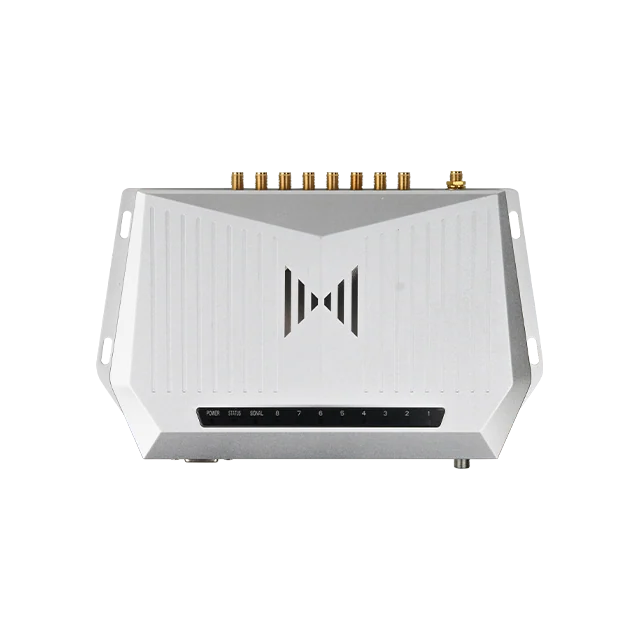
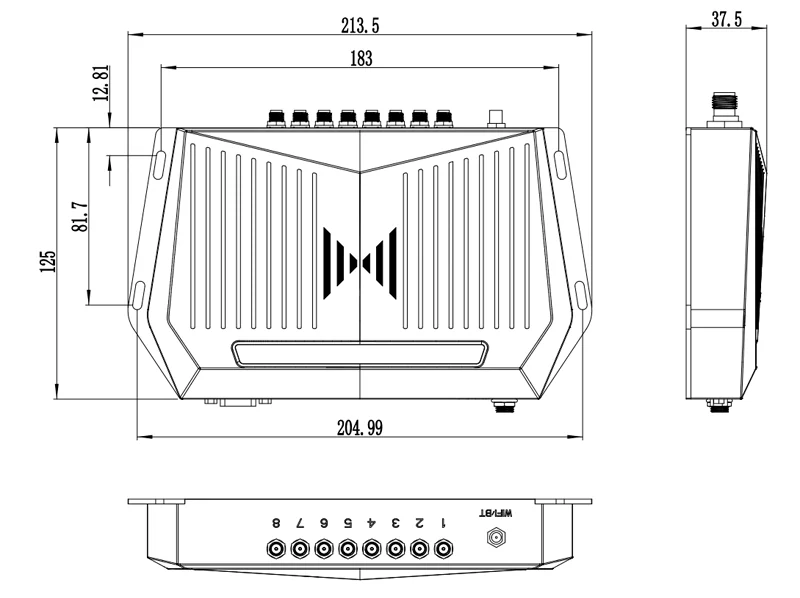
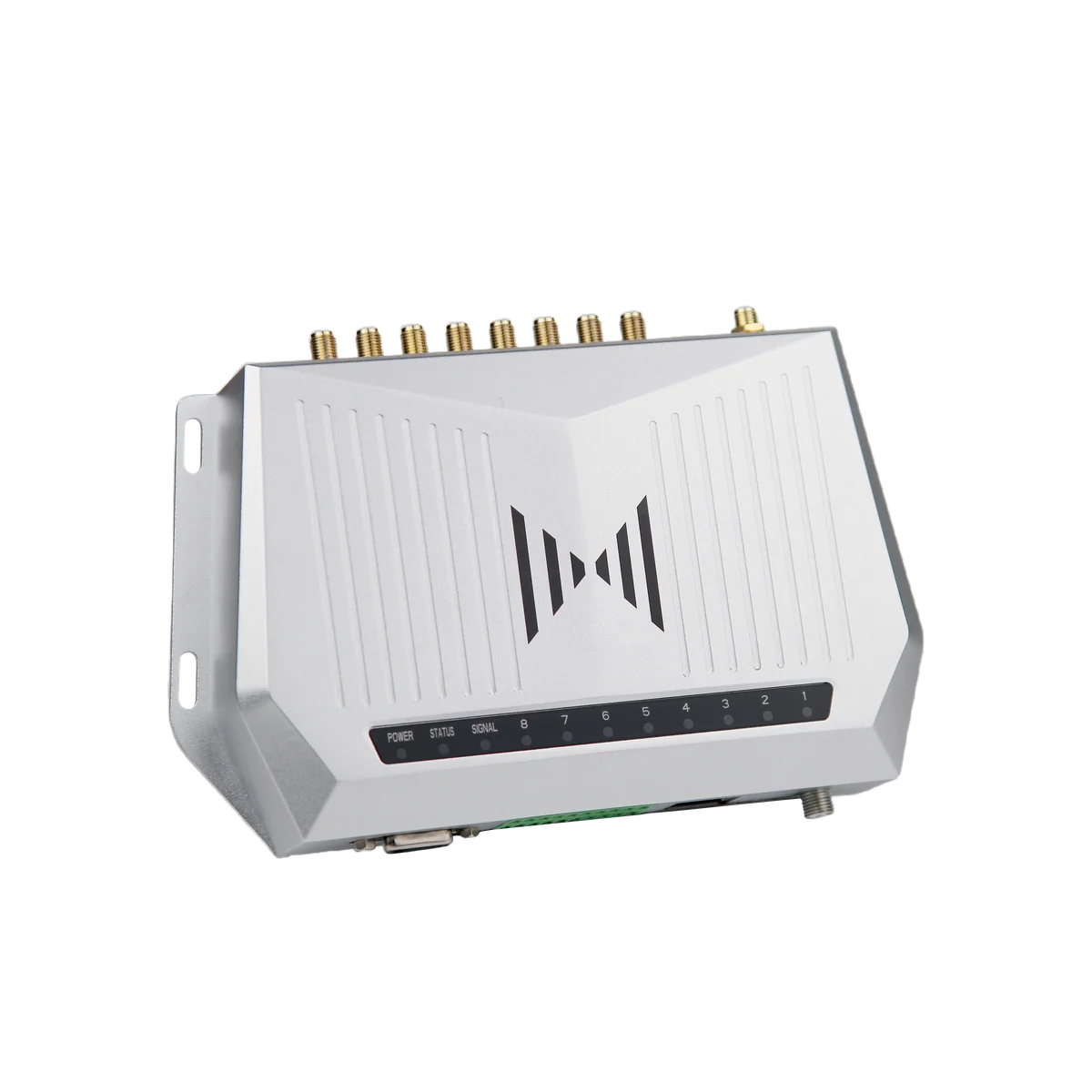
Current platform
Fixed Reader Platform
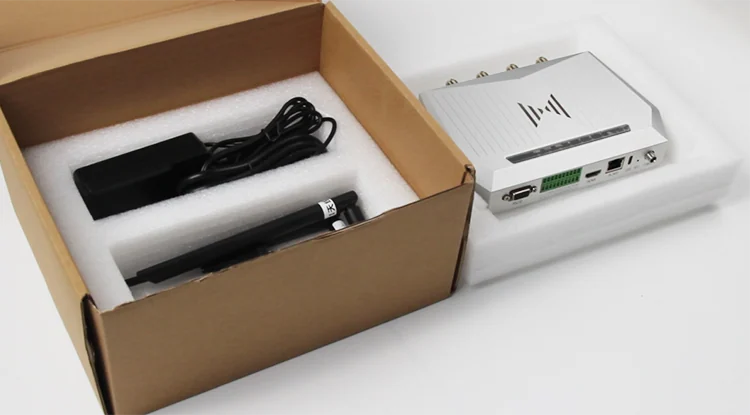
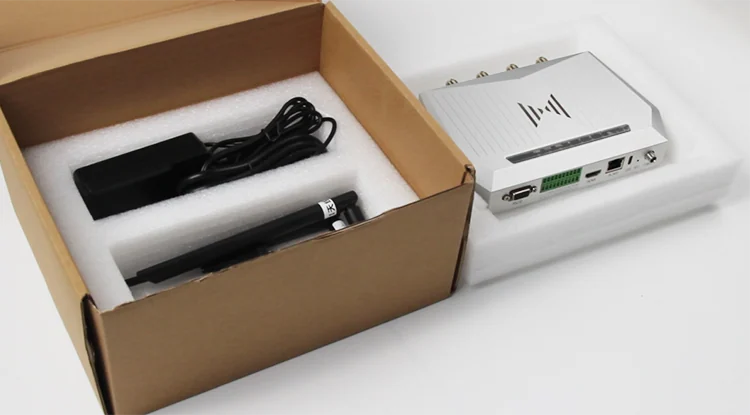
Use a proven fixed-reader base for portals, production stations, cabinet controllers and branded fixed deployments that need interface, firmware or enclosure adaptation.
- Confirm antenna-port count, RF output power, interface, trigger method and installation route.
- Typical work includes default parameter setup, host protocol, shell finish, nameplate and packaging.
- Keeps RF and port architecture stable while allowing faster quotation and sample review.
Customization Scope
Application And RF Inputs
Confirm object type, tag sample, read mode, distance, quantity, speed and environmental interference before hardware selection.
Hardware Specification
Define form factor, antenna ports, RF power, interface set, power method, enclosure, temperature and installation method.
Firmware And Protocol
Adjust command logic, filtering, auto upload, cache, heartbeat, remote configuration and field output when required.
SDK / API Package
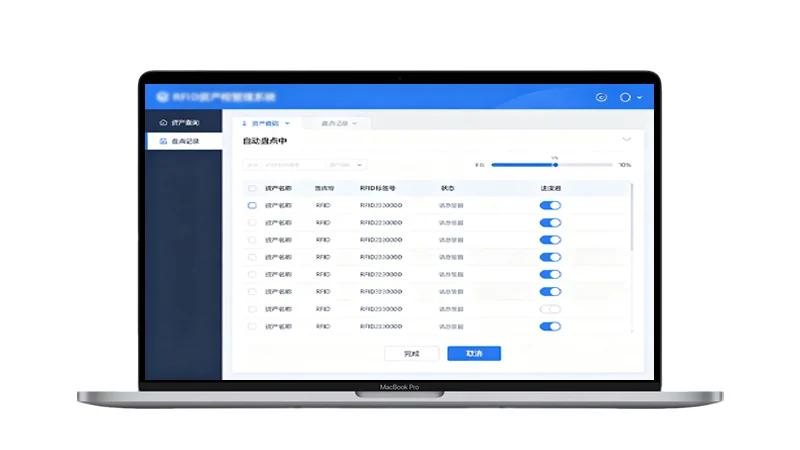
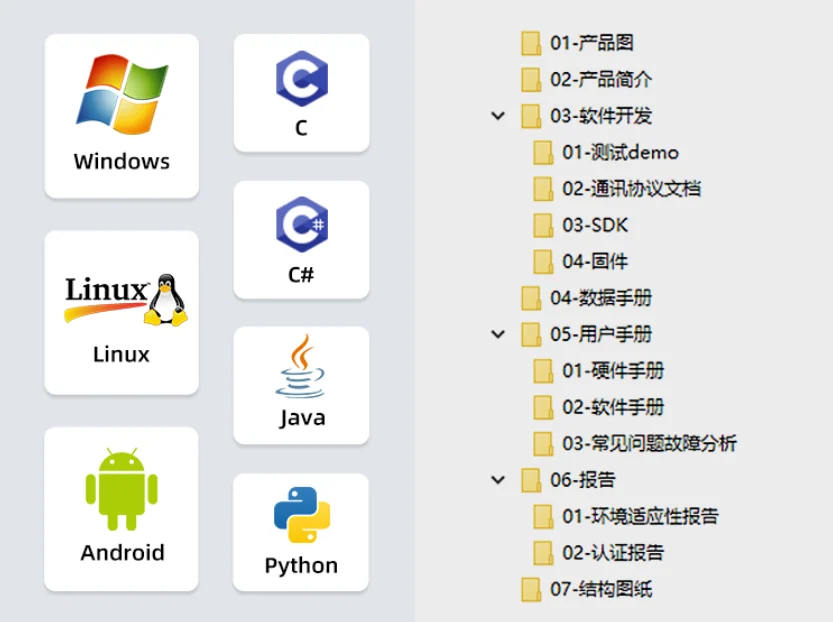
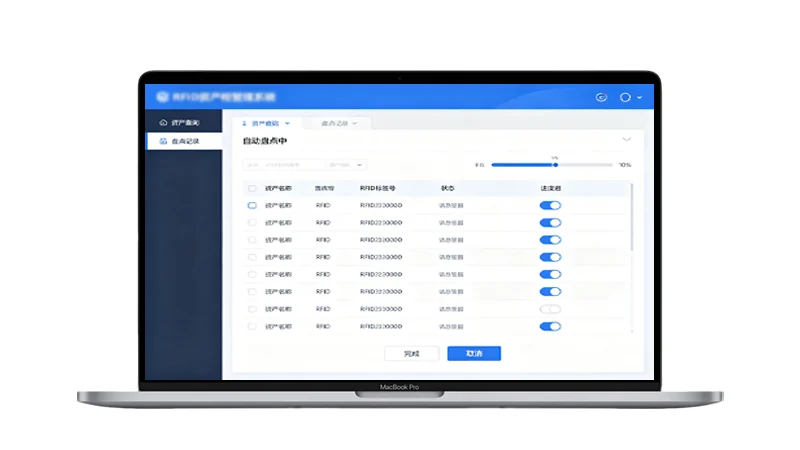
Prepare demo, SDK, API document, sample code and quick-start notes for the target host system.
Branding And Packaging
Apply logo, nameplate, serial number, certification marks, neutral or branded carton and manual version.
Certification And Quote Boundary
Clarify frequency band, existing report reuse, customer-brand re-certification, NRE, tooling and batch price.
Required Inputs
- Application scenario: warehouse, portal, tunnel, retail inventory, smart cabinet, production station, desktop encoding, self-service terminal, handheld or other equipment
- Reading object, item material, tag type, chip, size and mounting method
- Read mode, read distance, tag quantity per read, read speed and on-site interference such as metal, liquid, motors or dense tags
- Target country, frequency band, FCC / CE RED / UKCA / ISED / RoHS / REACH requirement and certificate ownership
- Reader form factor, antenna-port count, RF power, interface set, power method, enclosure and installation method
- Host system, development language, communication protocol, data fields and SDK / demo / API documentation requirement
- Branding method, logo, color, nameplate, carton, manual and customer-label requirement
- Prototype quantity, first order, annual forecast, target cost, timeline, payment, warranty and after-sales expectation
Delivery Flow

Requirement Confirmation
Confirm scenario, target market, tag, read target, interface, protocol, certification and commercial assumptions.
Platform And Scope Match
Select standard OEM, light ODM or deep ODM, then define what stays standard and what changes.
Sample And Documentation
Provide sample unit, datasheet, user manual, SDK, demo and test notes for first validation.
Customization And Pilot
Close interface, protocol, firmware, housing, branding, BOM and pilot-test issues before small-batch production.

Mass Delivery
Move into outgoing test, packaging files, warranty notes, shipment and post-delivery support scope.
Proof And Next Resources
Download
Datasheet Package
Standard parameter, interface and installation references for platform review.
TemplateReader OEM/ODM Checklist
Prepare target country, scenario, tag, read distance, ports, interfaces, protocol, branding, quantity and certification inputs.
CatalogReader Catalog
Review standard reader families before deciding whether OEM changes are necessary.
ActionEngineering Inquiry
Route firmware, protocol and integration questions into the OEM brief path.
Related Routes
Next Step
RFID Reader OEM/ODM Requirement & Delivery Scope
Confirm the reading object, target market, frequency band, hardware form, interface, protocol, branding and quantity first, then decide whether the project fits standard OEM, light ODM or deep ODM.