How to Improve UHF RFID Inventory Accuracy in Dense Tag Environments
Learn how to improve UHF RFID inventory accuracy in dense tag environments by tuning readers, matching tags to materials, designing antenna coverage, and validating real RF conditions before rollout.
globalinventory accuracy in dense tag environments5/14/2026
Dense UHF RFID inventory projects usually fail when the reader, tag, antenna layout, and site conditions are not validated together. In dense tag environments, missed reads, false reads, and cross-reads are usually caused by system mismatch rather than by RFID itself.
This is especially common in warehouses, production zones, cabinets, returnable container loops, and other scenarios where many tags appear in a limited space. If inventory accuracy matters, the project has to be tuned as a complete RF system instead of a single hardware purchase.
Key Takeaways
Dense tag inventory accuracy depends on reader tuning, tag fit, antenna coverage, and onsite RF validation.
Poor tag-to-material matching is one of the most common causes of missed reads.
Adjustable power and deliberate antenna zoning reduce blind spots and cross-reads.
Real-site testing is required before rollout, especially around metal, liquid, stacked cartons, and narrow read zones.
Why accuracy drops in dense RFID environments
In high-density inventory scenarios, many tags answer at nearly the same time. If the reader cannot manage tag collisions well, or if the antenna field is poorly controlled, read stability drops quickly.
The problem is usually made worse by material interference, inconsistent tag orientation, reflective metal surfaces, liquid absorption, packaging changes, and overlapping read zones. That is why the same hardware can perform well in one site and poorly in another.
1. Use a reader built for dense-tag inventory
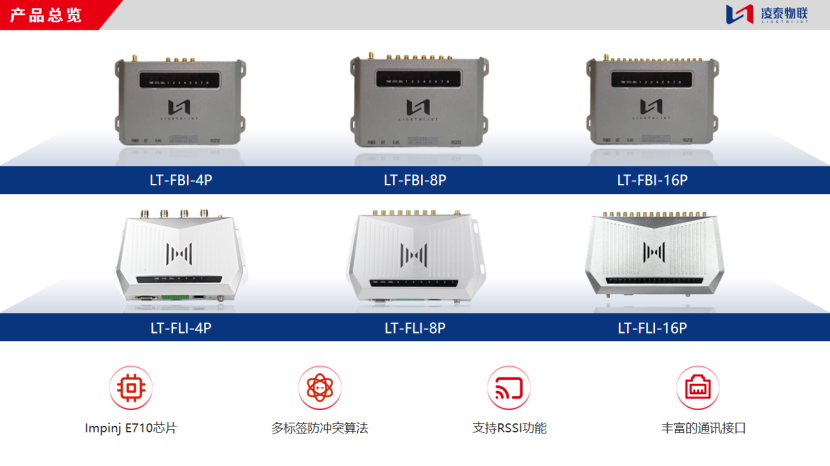
The reader is the control center of the inventory system. In dense tag environments, it needs more than basic read performance. It also needs stable anti-collision behavior, flexible tuning, and enough interface capacity for the actual deployment layout.
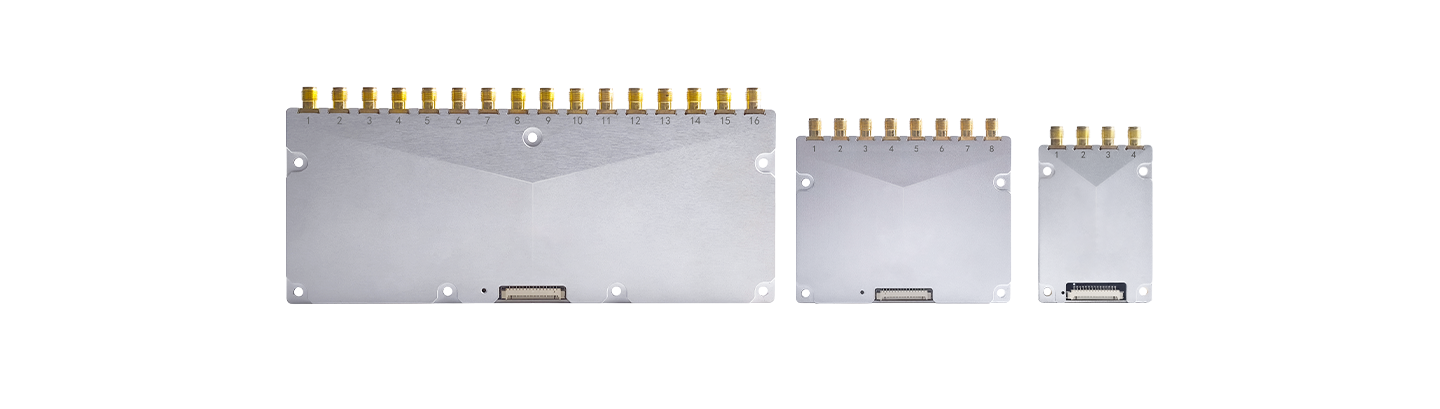
Industrial fixed readers create the baseline for stable zone coverage and continuous inventory cycles.Reader modules matter when dense-tag projects need tighter hardware integration or custom terminal design.
When evaluating a reader, focus on these points:
Stable anti-collision performance under heavy tag volume
Enough antenna ports or expansion options for zone coverage
Adjustable transmit power for different read areas
Consistent read speed under continuous operation
Good tolerance to interference in industrial environments
If the reader cannot be tuned by zone, or if it loses consistency when many tags are present, field accuracy will remain unstable even if the rest of the hardware is acceptable.
2. Match the tag to the material and placement condition
Tag selection has a direct effect on read stability. A tag that works well on one surface may perform poorly on another. Before choosing a label or hard tag, confirm the tagged object, mounting method, spacing, and expected orientation during inventory.
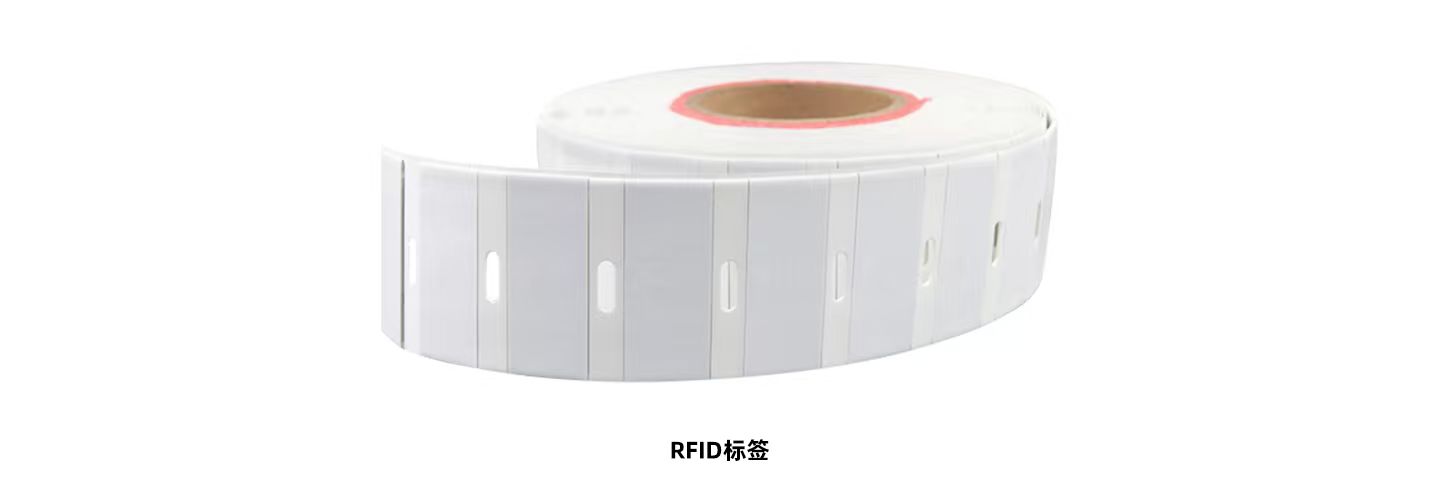
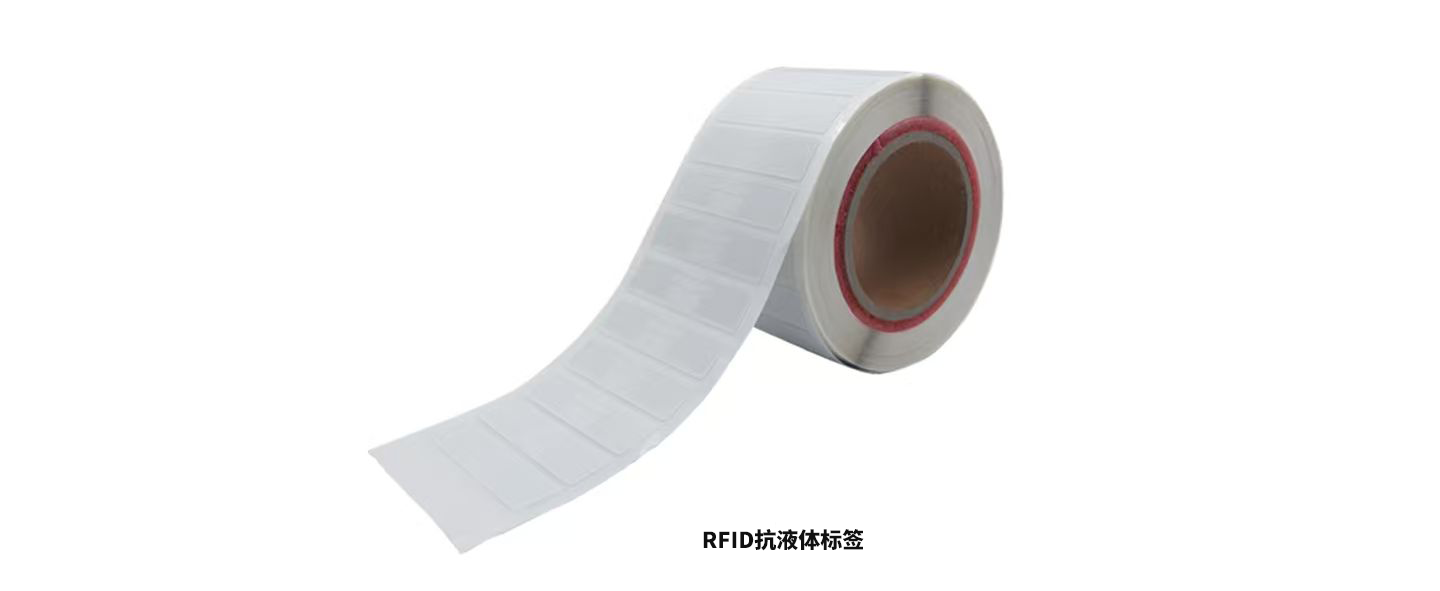
Standard labels fit low-interference surfaces such as paper, plastic, and outer cartons.On-metal tags are usually required for tools, racks, parts, and metal returnable assets.Liquid-friendly structures help protect read consistency around bottles, reagents, and filled containers.
Standard labels
Standard UHF labels are usually suitable for paper, plastic, and outer carton applications where metal and liquid interference are limited. They are cost-effective, but they are not a universal option.
On-metal tags
When tags are attached to metal tools, shelves, containers, parts, or equipment, on-metal tags are normally required. Without the correct tag structure, read distance and stability can collapse.
Liquid-friendly tags
Liquid products, chemical containers, medical supplies, and certain packaged goods can absorb or distort RF energy. In those cases, liquid-friendly tag structures and validated placement positions are important.
The key point is simple: do not choose the tag by price alone. Choose it by material compatibility, attachment method, and the actual inventory workflow.
3. Design antenna coverage deliberately
Dense inventory accuracy is heavily affected by antenna layout. More antennas do not automatically produce better results. Poor antenna design can create overlap, blind spots, stray reads, and unstable zone boundaries.
Choosing the right antenna type is part of accuracy control, not just a hardware accessory decision.
A good layout usually starts with these checks:
Whether the scenario needs near-field or far-field coverage
Whether the read zone matches the actual movement path of tagged items
Whether antenna angle and mounting height control the field properly
Whether adjacent zones interfere with each other
Whether dense stacks or racks create hidden read shadows
The goal is not maximum range. The goal is controlled, repeatable, scenario-specific coverage.
Multi-antenna zoning helps remove blind spots and reduces the risk of cross-reads in dense storage structures.
4. Validate in the real RF environment
Bench testing is useful, but it is not enough. RFID performance in dense environments must be verified under real operating conditions. A setup that works on an open table may fail once tags are stacked, boxed, moved onto metal racks, or placed near liquids and machinery.
Real-site validation is where reader power, tag fit, antenna placement, and environmental interference are confirmed together.
Validation should include:
Peak-density stacking conditions
Actual product orientation and spacing
Real rack, cabinet, shelf, or conveyor structures
Interference from nearby metal, liquids, or equipment
Power tuning and antenna adjustment by read zone
This step usually determines whether the project reaches stable inventory accuracy or remains stuck in repeated rework.
Pre-Deployment Checklist
Tagged material and packaging type are clearly defined
Tag model matches the mounting surface and environment
Reader power is tuned by zone instead of left at a default setting
Antenna position matches the real workflow and object path
Dense-stack testing has been completed under realistic conditions
The setup has been rechecked after packaging, rack, or layout changes
Typical Use Cases
This optimization approach is useful for many high-density inventory projects, including:
Warehouse inventory and carton counting
Manufacturing WIP and bin tracking
Tool cabinets and reusable asset control
Medical, laboratory, or regulated supplies management
High-density logistics and returnable packaging loops
In each case, the same principle applies: accuracy comes from matching the RFID design to the operating environment, not from selecting isolated hardware components without validation.
Conclusion
Improving UHF RFID inventory accuracy in dense tag environments is a system-level task. The best results usually come from combining the right reader, the right tag structure, deliberate antenna zoning, and realistic field validation before rollout.
If your project involves stacked items, metal interference, liquid products, cabinets, racks, or tightly controlled read zones, it is worth validating the configuration early. That reduces downstream rework and makes batch deployment more predictable.
Next Step
Request Quote Or Selection Advice
Share your scenario, quantity, and deployment environment. We will route it to the sales team.
 KHLT
KHLT