Application Solution for Logistics Warehousing Management Based on RFID Technology
Abstract
As the complexity of global supply chains continues to increase and the market demands ever-higher efficiency and accuracy, the drawbacks of traditional logistics warehousing management models are becoming increasingly prominent. Traditional technologies represented by barcodes, due to their inherent limitations, can no longer cope with the many challenges faced by modern warehousing. This solution aims to deeply explore the core user pain points in the current logistics warehousing management field and systematically elaborate how Radio Frequency Identification (RFID) technology, as a disruptive solution, precisely addresses these pain points. It will analyze in detail the application of RFID technology in various warehousing operation links and, combined with the latest technological trends, look forward to its future development direction in the field of intelligent logistics.
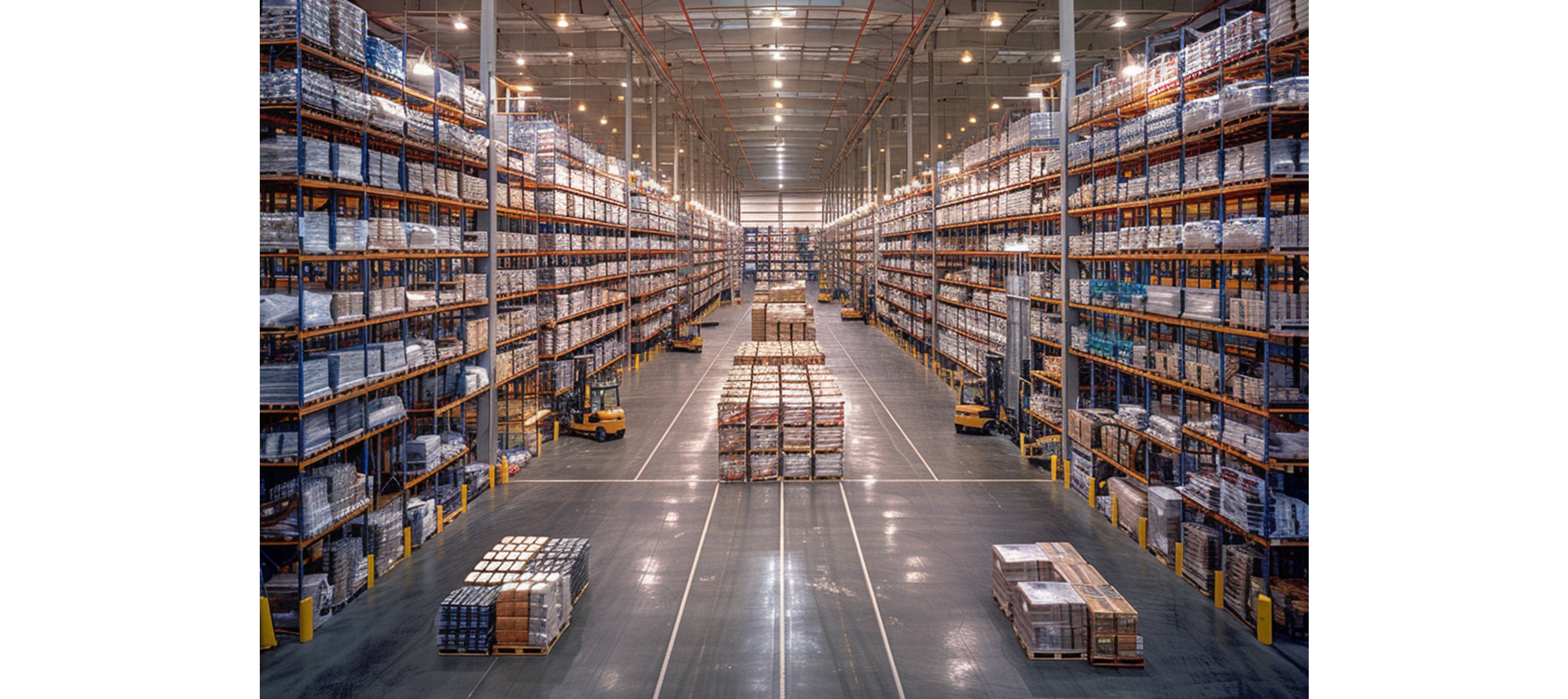
I. Dilemmas of Traditional Logistics Warehousing Management: In-depth Analysis of User Pain Points
1. Data Silos and Lack of Real-time Data
Traditional warehousing management systems, especially those relying on manual barcode scanning, are essentially "post-event recording" systems. Data updates often have significant delays, leading to an inability to synchronize inventory information in real time. This brings several serious problems:
• Inaccurate Inventory Data: Book inventory often does not match actual inventory, leading to out-of-stock or overstock situations, affecting sales opportunities and capital turnover.
• Delayed Decision-Making: Management cannot make fast, accurate procurement, transfer, or sales decisions based on real-time data.
• Difficulty in Multi-Warehouse Coordination: When a company has multiple warehouses, cross-warehouse unified scheduling and inventory optimization are difficult to achieve.
2. Low Operational Efficiency and High Labor Costs
Barcode technology requires "one-to-one" and "line-of-sight" scanning, which is inefficient in fast-paced, high-volume warehousing environments.
• Inbound and Outbound Bottlenecks: Workers need to find and scan barcodes on boxes or pallets one by one, consuming a lot of time and physical effort, especially during large-volume receiving or shipping, easily forming operational bottlenecks.
• Heavy Inventory Counting Work: Inventory counting is a daunting task. Traditional counting requires interrupting normal operations, with a large number of employees spending days manually scanning, which is not only costly but also the accuracy of the counting results is difficult to guarantee.
• High Dependence on Manual Labor: The entire process is highly dependent on manual operations, not only leading to high labor costs but also making operational efficiency limited by the skill level and sense of responsibility of employees.
3. Frequent Human Errors and Fragile Traceability System
Processes relying on manual operations are naturally prone to errors.
• Scanning Errors: Missed scans, duplicate scans, and wrong scans occur frequently, directly causing inventory data errors from the source.
• Limited Information Recording: Barcodes themselves carry very limited information, usually just a product code. Key traceability information such as production batch, expiration date, and supplier needs to be linked through backend systems. Once the barcode is damaged, the traceability chain may be broken.
• Difficulty in Traceability and Anti-Counterfeiting: When quality issues arise or a recall is needed, it becomes extremely difficult to precisely trace specific batches from a vast number of products. Additionally, easily replicable barcodes provide opportunities for counterfeit products.
4. Poor Environmental Adaptability and Label Damage
The physical properties of barcode labels determine their fragility in complex warehousing environments.
• Easily Damaged: Dust, moisture, oil, and other contaminants in the warehouse can cause barcodes to become blurred or damaged, making them unreadable.
• Reading Limitations: Barcodes must be exposed and unobstructed to be scanned, which is very inconvenient for stacked or stretch-wrapped goods. Their short reading distance also limits operational flexibility.
II. RFID Solution: Precisely Solving Warehousing Management Challenges
RFID (Radio Frequency Identification) technology automatically identifies target objects and retrieves relevant data through non-contact radio waves, fundamentally changing the way data is collected and providing precise and efficient solutions to the above pain points.
1. Core Advantages: How RFID Technology Reshapes Warehousing Operations
Compared to barcodes, the advantages of RFID technology are disruptive:
• Batch, Non-Line-of-Sight Reading: RFID readers can simultaneously identify hundreds of RFID tags within their coverage range without direct alignment, and can penetrate non-metallic materials such as cardboard and plastic, greatly improving data collection speed.
• Large Data Capacity and Read/Write Capability: Each RFID tag can store far more data than a barcode, allowing detailed information such as product serial number, production date, expiration date, and destination to be written into the tag, enabling "item-level" data management. Additionally, this data can be rewritten, increasing the tag's reuse value.
• High Durability and Environmental Adaptability: RFID tags are encapsulated in materials such as plastic or ceramic, making them waterproof, magnet-proof, high-temperature resistant, and damage-resistant, maintaining high read rates even in harsh warehousing environments.
• Foundation for Automation and Intelligence: The automatic identification feature of RFID makes it a key bridge connecting the physical world and the digital world, serving as the cornerstone for achieving warehousing automation.
2. Application Scenarios and Solutions: Covering the Entire Warehousing Process
By deploying RFID reading/writing devices (such as portal gates, forklifts, conveyors, handheld terminals) at key nodes in the warehouse and attaching RFID tags to goods (pallets, cases, items), a comprehensive, automatic, and real-time data collection network can be built.
▪ Inbound Management:
• Pain Point Resolution: Solves the problems of slow manual scanning, high error rates, and data delays.
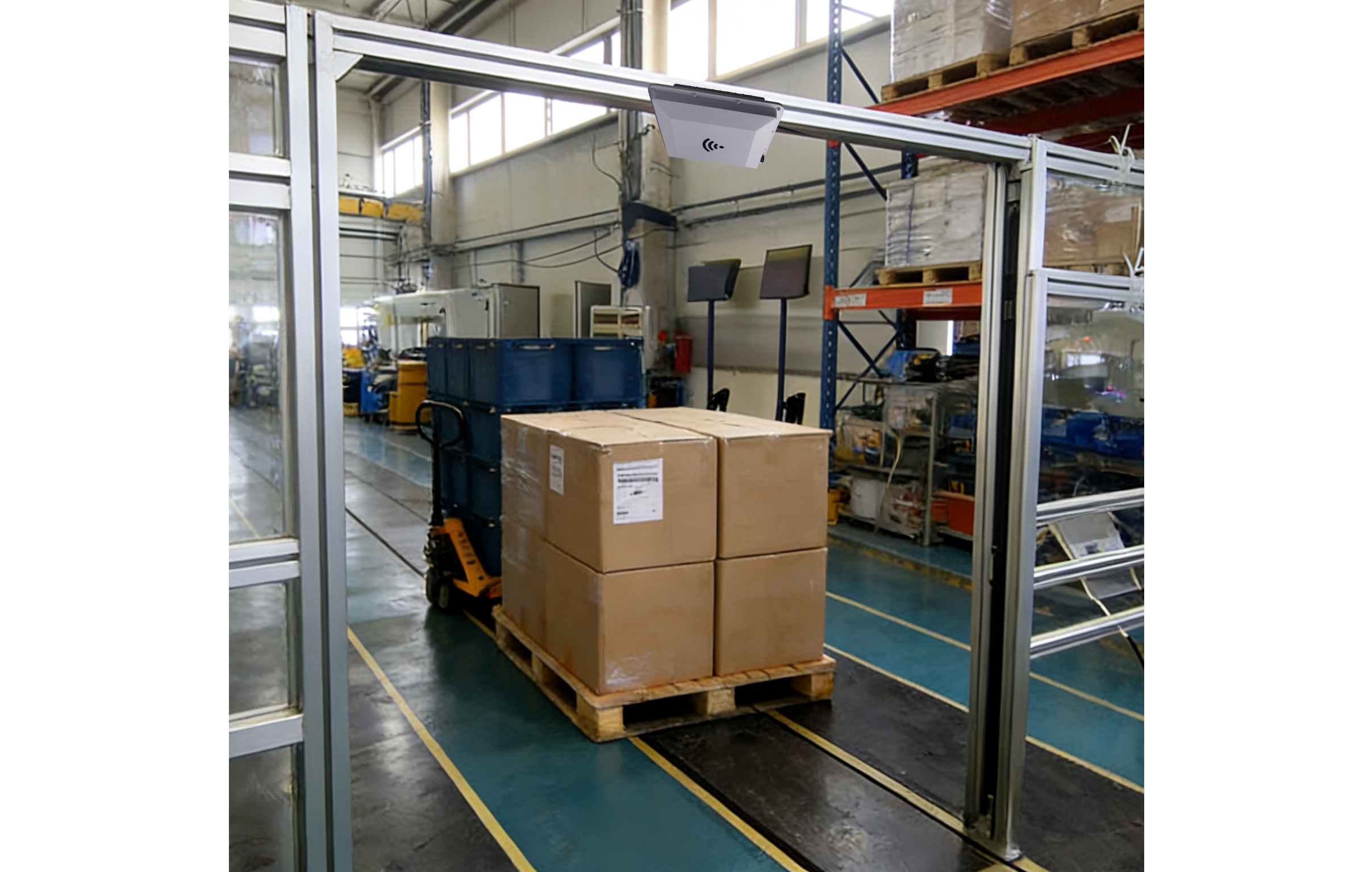
• RFID Solution: When goods with RFID tags pass through the inbound portal equipped with RFID readers, the system automatically and instantly completes batch scanning and data collection of all goods. The collected data is automatically verified against purchase orders or Advanced Shipping Notices (ASN), inventory quantities are updated in real time, and discrepancy reports are automatically printed. The entire process requires no unpacking or manual intervention, improving efficiency by over 90%.
▪ Internal Warehouse Management (Putaway, Relocation, Counting):
• Pain Point Resolution: Solves the problems of difficulty finding goods, time-consuming and labor-intensive counting, and inaccurate inventory.
• RFID Solution:
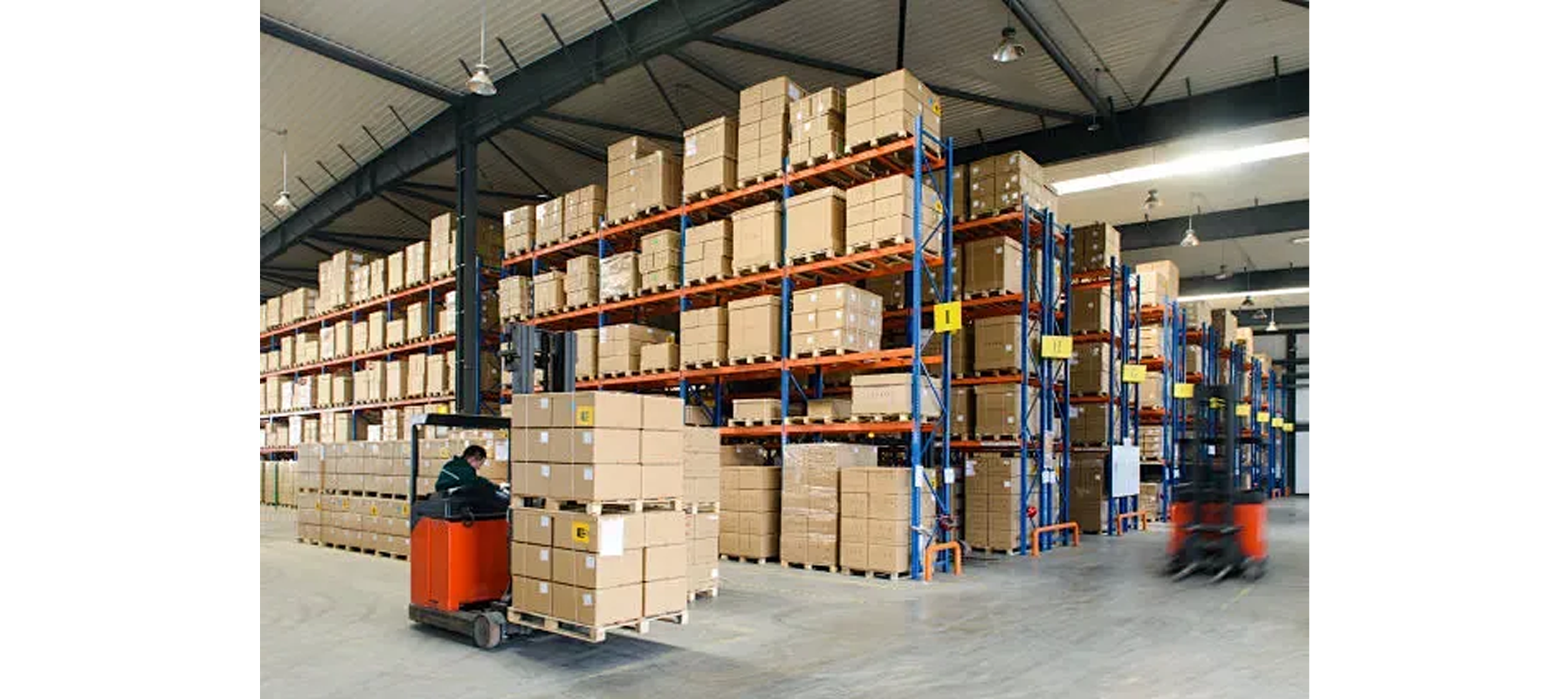
Intelligent Putaway and Location: RFID readers and positioning systems are installed on forklifts. When a forklift places goods on a shelf, the system automatically reads the goods tag and the shelf location tag, binding the goods information to the specific storage location (down to the level and slot) in real time, achieving precise inventory positioning.
Dynamic Counting: Employees use handheld RFID readers or drones/robots equipped with RFID readers to quickly scan goods information over large areas while moving through the warehouse. Counting efficiency can be increased dozens of times compared to traditional methods, and even daily dynamic counting can be achieved, ensuring inventory accuracy of over 99%.
▪ Outbound Management:
• Pain Point Resolution: Solves the problems of slow picking, wrong shipments, and missed shipments.
• RFID Solution: The system automatically generates picking tasks based on orders and guides employees or AGVs (Automated Guided Vehicles) to the designated storage locations. When goods pass through the outbound portal, the RFID system performs another batch scan, verifying against the outbound order to ensure the correct type and quantity of goods are shipped, fundamentally eliminating wrong and missed shipments.
▪ Full-Process Traceability and Anti-Counterfeiting:
• Pain Point Resolution: Solves the problems of fragile traceability chains and weak anti-counterfeiting capabilities.
• RFID Solution: Each RFID tag has a globally unique ID number, and data can be encrypted, making it difficult to replicate. Starting from the production stage, information such as batch and serial number is written into the tag, and in subsequent warehousing, transportation, and sales stages, information is continuously appended and recorded. Once a problem occurs, the complete lifecycle of the product can be quickly traced, enabling precise recalls. This also greatly enhances the brand's anti-counterfeiting capability.
III. Cost-Benefit Analysis
• Reduced Operational Costs: Automation reduces reliance on manual labor, significantly lowering labor costs. Improved inventory accuracy reduces sales losses due to stockouts and capital tied up in overstock.
• Improved Operational Efficiency: The efficiency of key processes such as inbound, outbound, and counting increases exponentially, speeding up warehouse turnover and improving order fulfillment capability.
• Enhanced Supply Chain Visibility: Real-time, accurate data flows throughout the supply chain, providing managers with unprecedented visibility, helping to optimize processes, forecast demand, and improve overall chain collaboration efficiency.
• Increased Customer Satisfaction: Faster shipping speeds and lower shipping error rates directly improve customer experience and brand loyalty.